The Birds You're Most Likely to See in January (And How to Help Them)

January in the garden has a particular kind of magic. The post-Christmas quiet settles in, the month feels long, the days are still short, and, if you know where to look, there's so much happening. Birds are fighting to survive the coldest stretch of winter, and if you're feeding them, your garden becomes a vital lifeline.
But here's what makes January special: things are on the move. The birds you see at the start of the month behave quite differently from those you'll spot by the end. As the weeks progress, you'll notice shifts in activity, changes in behaviour, and even early hints that spring isn't as far away as it feels.
This guide walks you through January week by week, so you know who's visiting, what they're up to, and exactly how you can help.
Early January: The Quiet Resilience (Week 1 to 2)
What's happening in your garden
The first two weeks of January are often the quietest. After the festive period, gardens settle into a cold, still rhythm. Resident birds (the ones who've stuck around all winter) dominate the feeders. There's less competition for food compared to autumn, and if you've been feeding consistently, your regulars know exactly where to come.
You'll notice birds are methodical rather than frantic. Robins patrol their territories with quiet confidence. Blue tits and great tits work the feeders in efficient rotations. Blackbirds forage under hedges, flicking through leaf litter for insects and worms (yes, even in January).
This is survival mode, but it's calm survival. Birds are conserving energy, staying warm, and sticking to routines.
Birds you're most likely to see
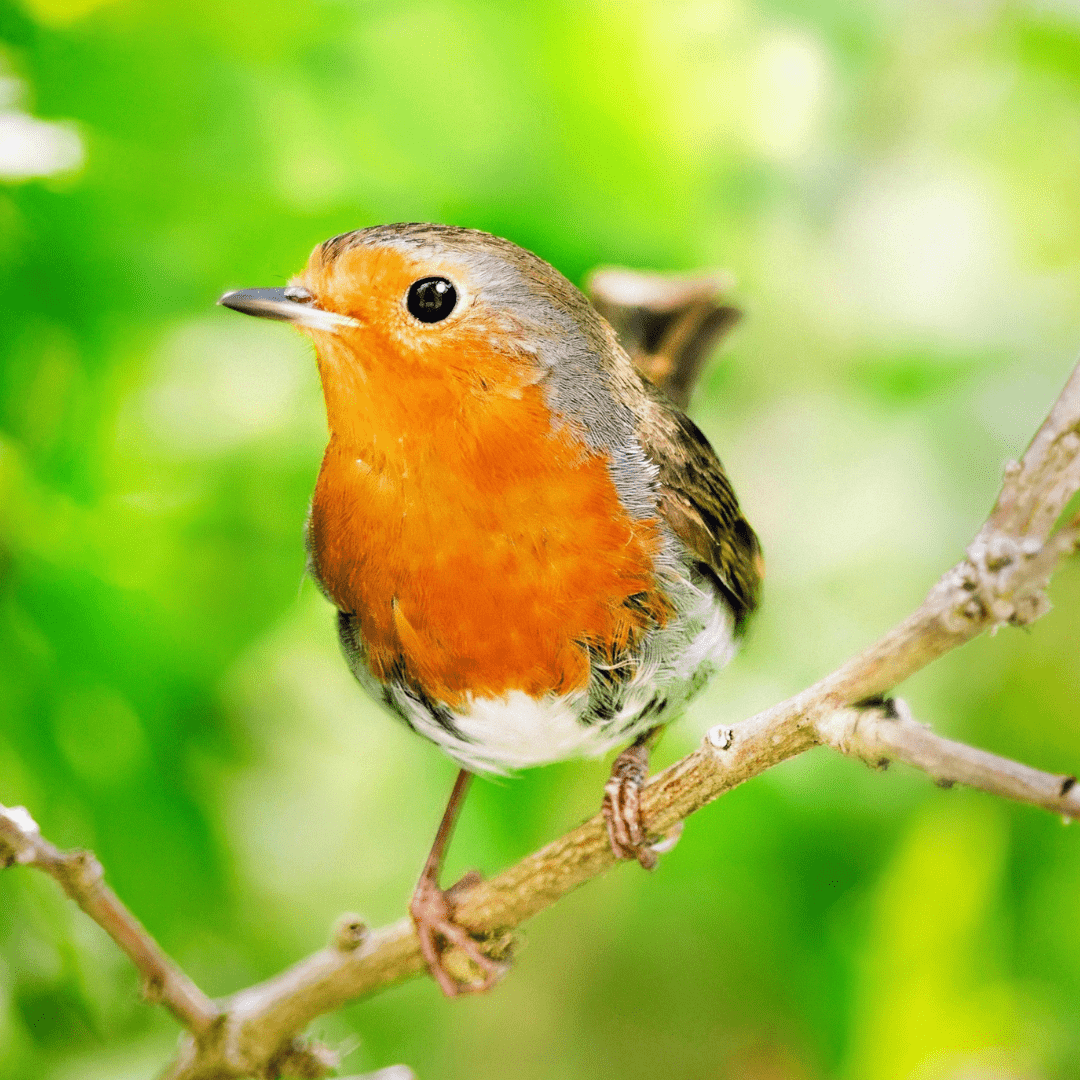
Robins are highly visible in early January. They're fiercely territorial year-round, and in winter, both males and females defend their own patches. You'll often see a robin watching from a favourite perch (a fence post, a low branch) before darting down to grab food and retreating to safety. They're not social birds, so if you see two robins together, they're likely squaring up rather than sharing space.
Blue tits and great tits are your reliable feeder visitors. They're agile, confident, and surprisingly bossy for their size. Blue tits are the acrobats. You'll see them hanging upside down on feeders, often with several visiting in quick succession. Great tits are bulkier, with a bold black stripe down their chest, and they're more likely to grab food and fly off to eat it elsewhere.
Blackbirds prefer feeding on the ground, so if you don't see them at first, look beneath your feeders or near hedges. Males are jet black with bright orange beaks. Females are brown with speckled chests. They're shy and will often wait until the coast is clear before venturing out.
House sparrows (if you're lucky enough to have them) are sociable and noisy. They travel in small flocks, and when they arrive, they arrive en masse. Unlike other birds, they're not put off by a crowd. They'll happily jostle for position and chatter while they eat.
How to help
Keep feeders consistently stocked. In early January, birds are relying on routine. If your feeder is full every morning, they'll learn to check it first thing, and that reliability can make all the difference on a bitterly cold day.
Provide fresh water daily. Frozen birdbaths are one of the biggest challenges in January. Birds need water for drinking and bathing (yes, even in winter because clean feathers insulate better). Break ice daily, or use a shallow dish with warm (not hot) water to give them a head start.
Scatter food on the ground for blackbirds and robins. Not all birds are comfortable on hanging feeders. Try scattering some seed, chopped peanuts, fruit or mealworms on a ground feeding tray or even just a clear patch of soil. You'll attract a wider variety of birds this way.
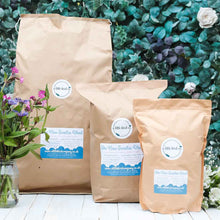
Use high-energy foods. Our Fall into Winter Blend is designed for exactly this phase. It's packed with sunflower hearts, suet pellets, and protein-rich seeds to help birds maintain their body weight and energy levels through the coldest days.
Mid-January: Winter Intensifies (Week 3 to 4)
What's happening in your garden
By mid-January, winter is fully established. Days are still short, temperatures often drop to their lowest, and natural food sources are at their scarcest. This is when feeding birds becomes less about enjoyment and more about genuine support.
You'll notice increased activity at feeders. Birds are visiting more often, staying longer, and eating more in a single sitting. They're trying to build up fat reserves to get through long, cold nights, and they're doing it quickly. If you've got a good setup, you might even start seeing new visitors as word spreads among the local bird population. One cold night can be enough to cause a lot of damage in our wild bird populations at this time of year.
This is also when you might notice more competition and squabbling. Blue tits will chase each other off feeders. Robins will aggressively defend "their" feeding spot. Even normally calm birds like dunnocks might get a bit scrappy.
Birds you're most likely to see
All your regulars from early January will still be around, but now they're hungrier and bolder.
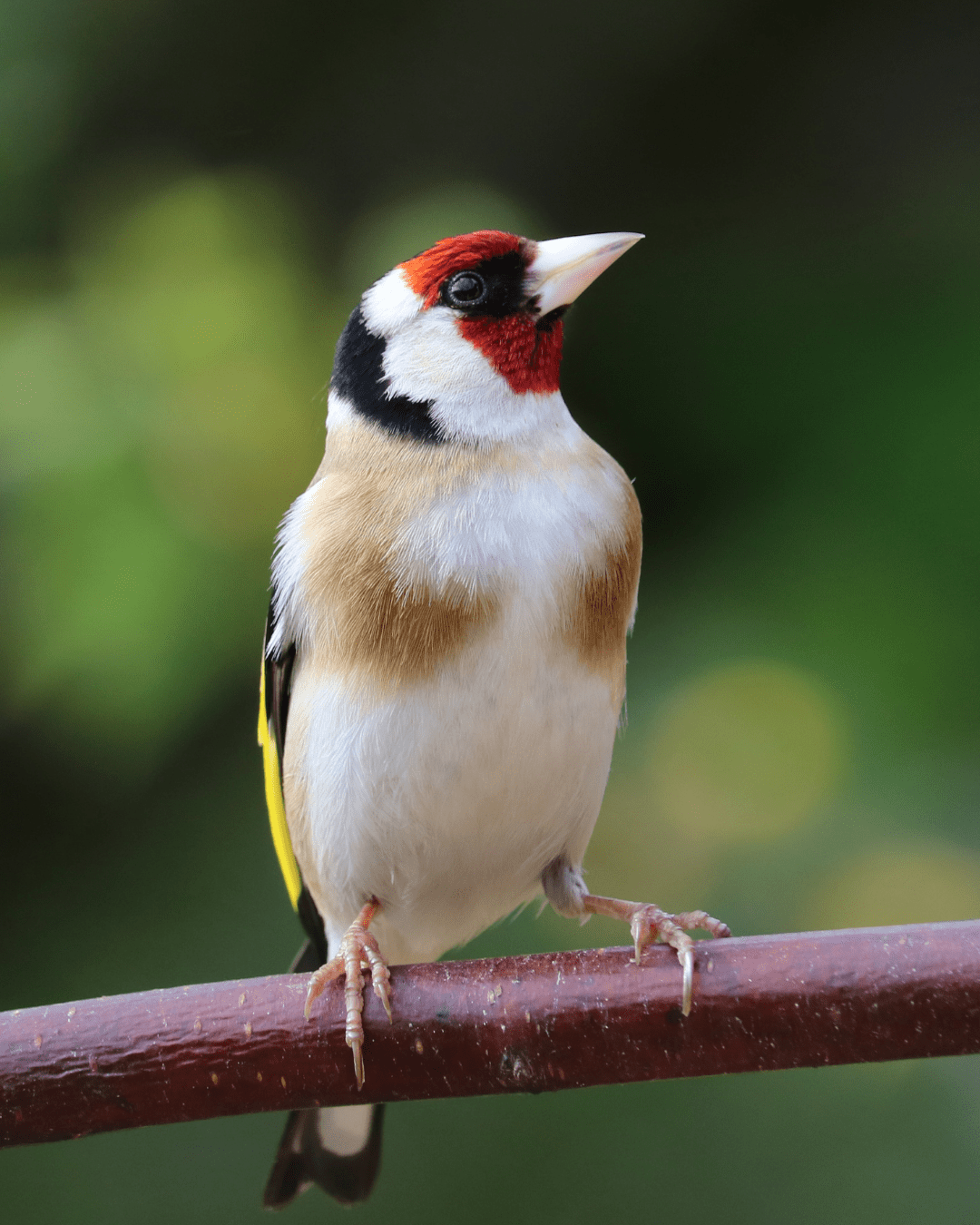
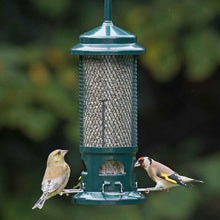
Goldfinches become more visible in mid-January. These little birds (with their red faces and bright yellow wing bars) often travel in small flocks called "charms." They love nyjer seed and sunflower hearts, and if you've got a feeder that suits them (ideally one with small perches), they'll visit repeatedly throughout the day.
Coal tits might start appearing if they haven't already. Smaller and scruffier-looking than blue tits, with a distinctive white patch on the back of their heads, coal tits are shy and quick. They tend to grab food and dash away to cache it for later. It's a clever survival strategy.
Dunnocks are easy to overlook but lovely once you notice them. They're small, brown, and prefer to feed on the ground beneath feeders, quietly hopping about and picking up dropped seeds. They're often mistaken for sparrows, but they're sleeker, with a more delicate build and a thin, pointed beak.
If you're in the right area, you might also spot long-tailed tits. These are tiny, fluffy birds with absurdly long tails that travel in chatty family groups. They're less interested in seed and more drawn to suet and fat-based foods.
How to help
Feed more frequently. If your feeders are emptying faster than usual, that's a good sign. It means birds are relying on you. Top them up daily, or even twice a day if you can.
Offer suet-based foods. Suet is brilliant in cold weather because it's calorie-dense and helps birds maintain their energy levels. Our seasonal blends include suet pellets, or you can hang suet balls or fat blocks designed for small birds.
Create windbreak perches. If your garden is exposed, consider whether birds have sheltered spots to perch between feeding trips. Evergreen shrubs, hedges, or even a strategically placed pile of branches can provide vital cover from harsh winds.
Avoid bread and scraps. It's tempting to throw out leftover bread, but it's low in nutrients and fills birds up without giving them the energy they need. Stick to quality seed mixes, peanuts (chopped, not whole), and mealworms.
Keep feeders clean. With more birds visiting more often, hygiene becomes crucial. Dirty feeders can spread disease. Give feeders a quick clean every week or so with warm water and a brush, and let them dry before refilling.
Late January: The First Signs of Spring (Week 5 and Beyond)
What's happening in your garden
By the final week or two of January, something shifts. The days are getting (just barely) longer. Birds start to notice. You might hear your first robin singing properly, not just the sad winter warble, but a full-throated, territorial song. Blackbirds might start singing from rooftops at dusk.
This is the very beginning of the breeding season. It sounds early, and it is, but birds are already thinking ahead. Males are starting to establish territories. Pairs are beginning to form. There's a subtle change in energy.
Feeding remains critical, though. Birds need to be in peak condition if they're going to breed successfully in spring, and late January is when they're building up the strength to do it.
Birds you're most likely to see
Your robins will be singing more. Both males and females defend individual territories in winter, but as January ends, they'll start softening those boundaries and forming pairs. You might notice two robins tolerating each other's presence where before they'd have chased each other off.
Great tits will start singing their distinctive "tea-cher, tea-cher" song from prominent perches. It's one of the earliest signs of spring, and once you've heard it, you'll recognise it every year.
Magpies and crows become more noticeable. These larger birds are always around, but as breeding season approaches, they get noisier and bolder. They're clever, opportunistic feeders, and while they're not the target audience for most bird feeders, they're a natural part of the garden ecosystem.
You may also notice woodpigeons starting to coo from trees. That soft, repetitive "coo-COO-coo, coo-coo" becomes the soundtrack to spring.
And if you're very lucky, you might spot song thrushes. They're less common than blackbirds but so beautiful, with speckled chests and a loud, musical song. They're often seen smashing snails on stones, which is a surprisingly dramatic sight.
How to help
Keep feeding. Late January is not the time to ease off. Birds are preparing for one of the most energy-intensive periods of their year. Continue offering high-quality food. Our Nesting Blend (launching in spring) is designed specifically for this transitional period, with added calcium to support egg production.
Think about nest boxes. If you've been meaning to put up a nest box, late January and early February is the ideal time. Birds will start scouting locations soon, and they prefer boxes that have weathered a bit before they move in.
Avoid hedge trimming. It's tempting to tidy up the garden as spring approaches, but hold off on cutting hedges until late summer. Many birds will start nesting earlier than you think, and hedges provide crucial nesting sites.
Provide nesting material. Birds will soon be looking for materials to build with: moss, feathers, small twigs, pet fur (clean and untreated), even sheep's wool if you can find it. You can put these in a nester or simply leave them in a quiet corner of the garden.
Leave seed heads standing. If you have wildflowers or grasses that have gone to seed, leave them. Goldfinches and other seed-eaters will appreciate the natural food source, and it supports the ecosystem in ways that feeders alone can't.
Why January Matters
January can feel like a long month. It's dark, it's cold, and the garden might seem dormant. But for the birds, January is critical. It's the difference between a population that thrives in spring and one that struggles. Every feeder you keep stocked, every birdbath you defrost, every sheltered perch you provide, it all adds up.
And here's the lovely thing: while you're helping them, they're also helping you. There's something grounding about starting each day by watching a robin land on the fence, or hearing the chatter of sparrows, or seeing a charm of goldfinches light up a grey morning.
So keep watching. Keep feeding. And enjoy this quiet, resilient, beautiful time of year.
What's next?
If you're looking for the best food to support your garden birds this January, explore our Fall into Winter Blend. It's specially formulated for cold-weather feeding. Or if you're ready to set up a proper feeding station, check out our Bird Feeding Starter Sets for everything you need to get started.
And if you're not already subscribed, join our newsletter for seasonal tips, bird-watching updates, and nature notes delivered straight to your inbox. Because the more you notice, the more there is to see.