How to Support Your Garden Birds in Winter (And Why to Start Now)

Winter puts a lot of pressure on garden birds. The days are short, the nights are cold and the easy food disappears almost overnight. Worms burrow deep, insects vanish, berries get stripped quickly and all the seed heads we enjoyed in summer have collapsed. Small birds, especially, burn through a huge amount of energy just staying warm, so they need reliable food and safe places to rest.
The nice thing is that creating a winter friendly garden does not have to be expensive or complicated. With a few simple tweaks now, you can turn your outdoor space into a spot birds choose to visit. Everything you put in place for winter also sets your garden up brilliantly for spring.
Give birds the good stuff: what to offer in winter
Food is the first thing birds look for, and offering the right thing genuinely helps them survive cold snaps. They need energy rich food that tops up their reserves quickly and keeps them going through frosty nights.
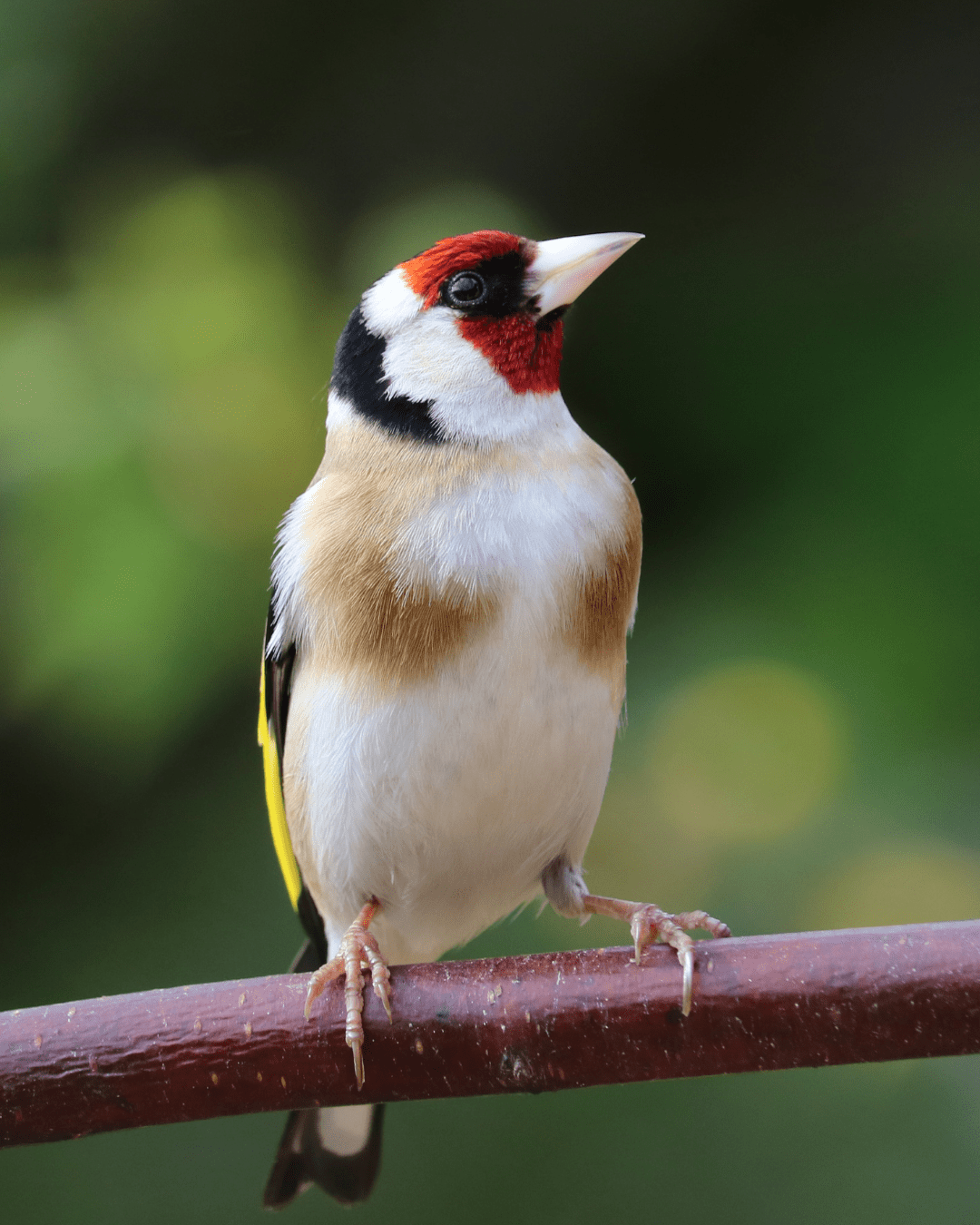
Sunflower hearts and black sunflower seeds are some of the best things you can put out at this time of year. They are clean, high in oils and attract a lovely mix of birds from tits and sparrows to goldfinches.
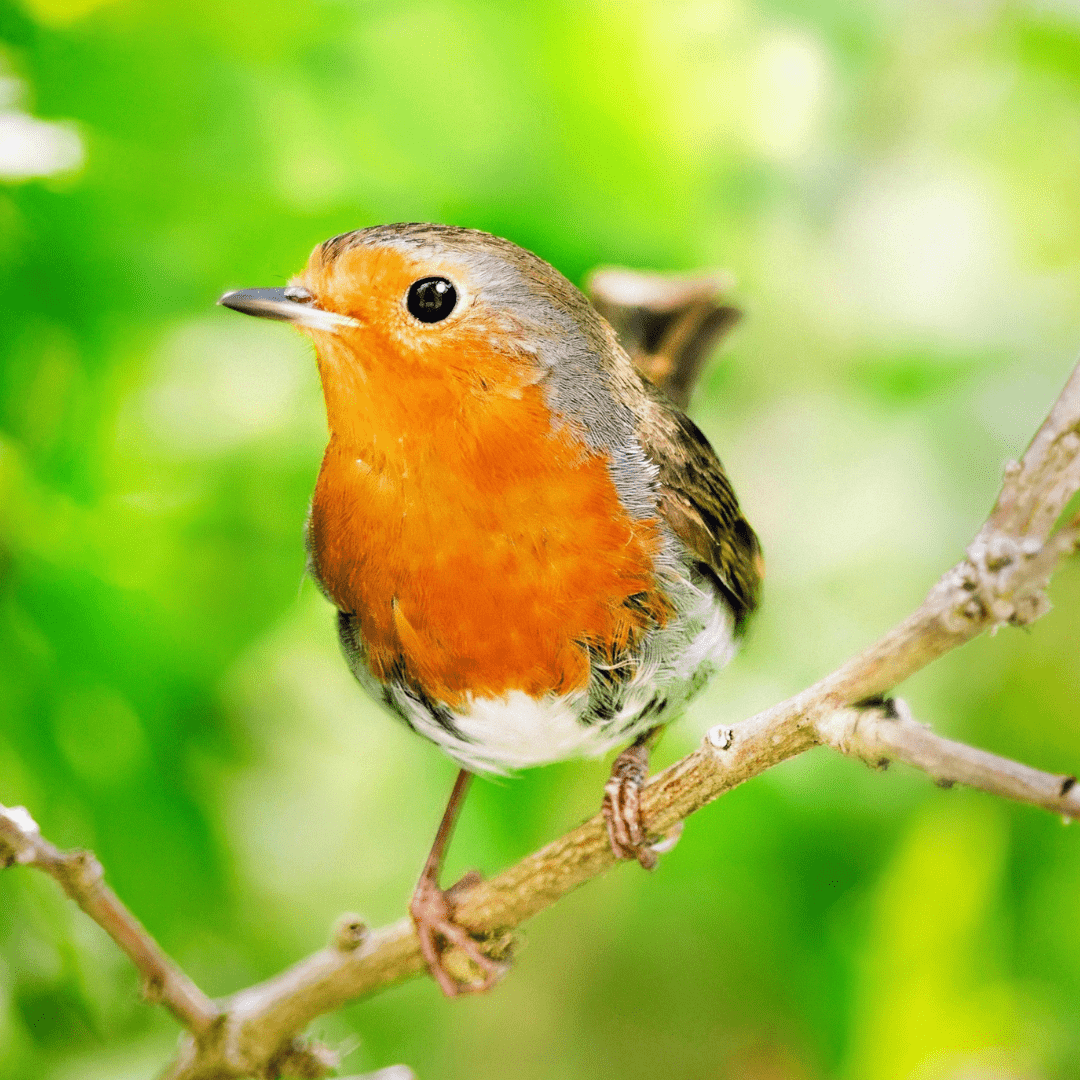
Suet and fat based foods are like central heating for birds. Fat balls, suet blocks or pellets give them an instant hit of energy. You will spot everything from wrens and robins to woodpeckers on them.
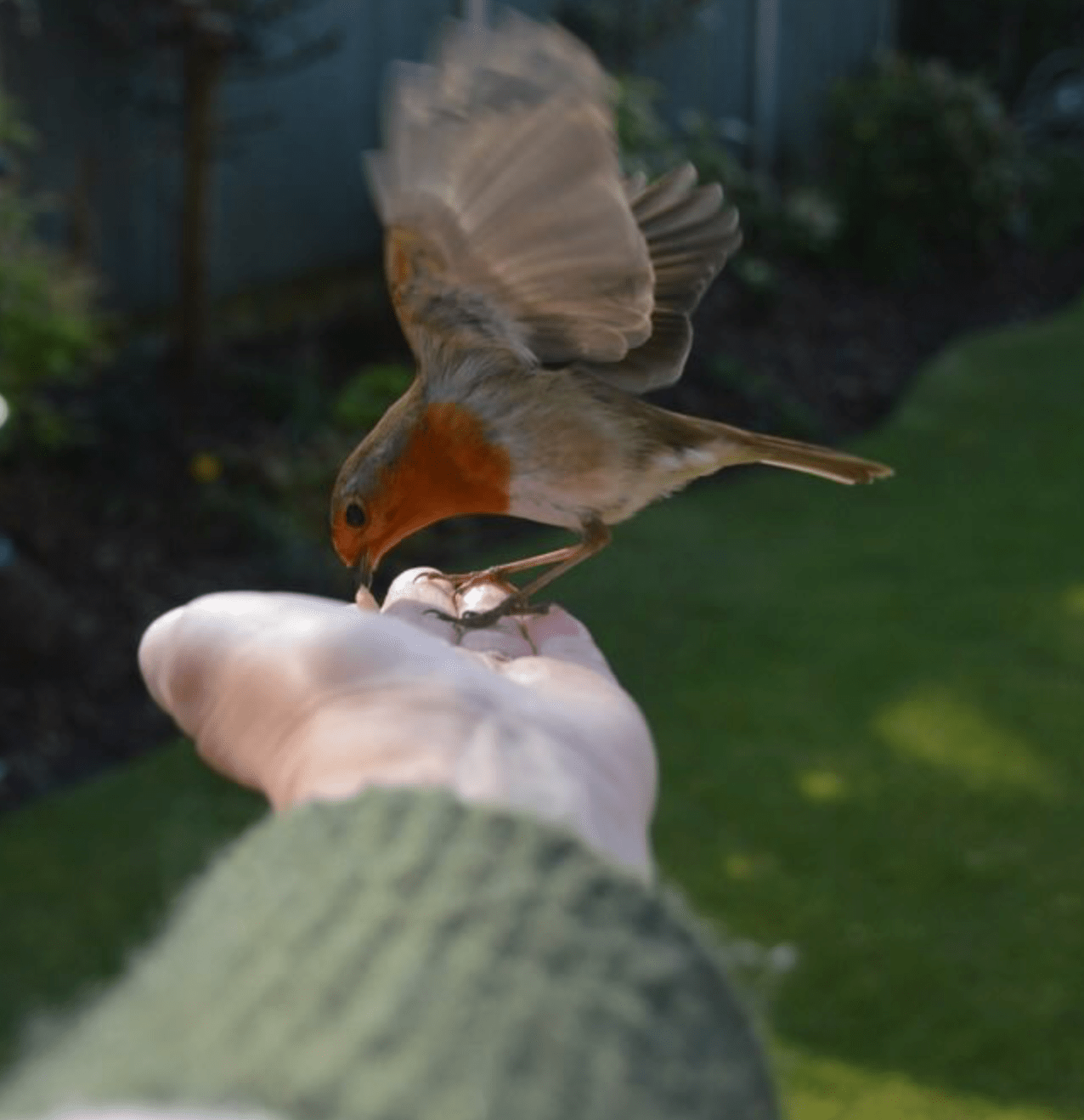
Mealworms, dried or live, are a real treat when insects are scarce. Robins and wrens will thank you for them.
Peanuts, as long as they are unsalted and in a proper mesh feeder, offer excellent nutrition for birds like nuthatches and woodpeckers.
Fruit, such as chopped windfall apples, can help blackbirds and thrushes.
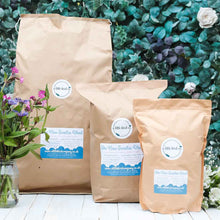
If you are using a seed mix, go for a good one. Cheap mixes often contain fillers or wheat, which birds flick out and ignore. Those bits can sprout into weeds under the feeder. A quality winter blend, like the seasonal mix we make at A Little Bird Co., keeps things simple and cuts out waste.
Make your feeders feel safe and inviting
It is not just what you offer, it is where you put it.
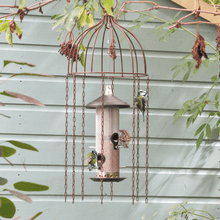
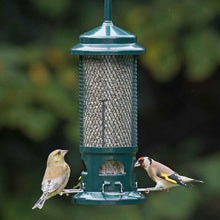
Place feeders near a hedge, shrub or tree so birds can hop into cover quickly. Choose a spot sheltered from the worst wind and rain, somewhere you can easily reach to clean and refill. Birds notice when a space stays consistent, so topping up regularly helps build trust. In cold spells they often eat more, so keep an eye on levels. A feeder like our Little Lantern Seed Feeder works beautifully tucked close to cover.
Create quick, easy shelter for insects and minibeasts
This is the part lots of people skip, but it makes a big difference. Birds rely heavily on insects once spring nesting starts, so helping minibeasts survive winter is one of the best things you can do.
You do not need a fancy bug hotel. A few simple ideas work brilliantly.
A pile of logs, branches or twigs in a quiet corner creates a sheltered, slightly damp micro habitat. Beetles, woodlice and other small creatures tuck themselves away in the gaps.
Terracotta pots on their sides, partly buried or tucked into foliage, make great low cost hideaways. Add a handful of leaves and they are even more useful.
Leaf piles are invaluable. Instead of clearing every last bit, leave one or two heaps in tucked away corners. Insects, worms and even amphibians shelter there.
Seed heads and stems left standing give structure, seeds, cover and perching spots. They also hold tiny insects that birds will forage for on milder days.
All of this feeds into a healthier food chain when spring arrives.
Build in a bit of winter cover
Birds feel much more confident when they have places to shelter between feeds. You do not need a large garden for this. A few thoughtful plant choices go a long way.
Evergreen shrubs, ivy, a patch of long grass or a container planted with something hardy all offer cover. The idea is to create layers. Something tall, something mid height and something close to the ground makes your garden feel alive and safe, even in winter.
Keep water available
A simple dish of water makes life easier for birds in winter. They need it for both drinking and preening, and natural supplies often freeze. Refill each morning, and if it ices over, pour a little warm water on top. Avoid adding salt or anything else to thaw it.
Why it is worth starting now
Making these changes now means birds quickly learn your garden is a reliable place to feed and shelter. Once the weather turns icy and food gets scarce, they already know where to go.
The real magic happens in spring. Birds that survive winter thanks to your support are far more likely to stay local to breed. The insects that hide in your log piles and leaf litter now will be exactly what nestlings need in April and May. Any shrubs or seed heads you leave standing will help pollinators too.
Winter gardening does not look as showy as summer gardening, but it is where so much of the important work happens. A few small steps this season can turn your garden into a proper haven, not just for birds, but for the whole mini ecosystem that supports them.
Give your garden birds the best this winter. Shop our Seasonal Bird Food, pick up a Little Lantern Seed Feeder, or get everything in one go with our Bird Feeding Starter Set.