5 things you might not know about the blackbird

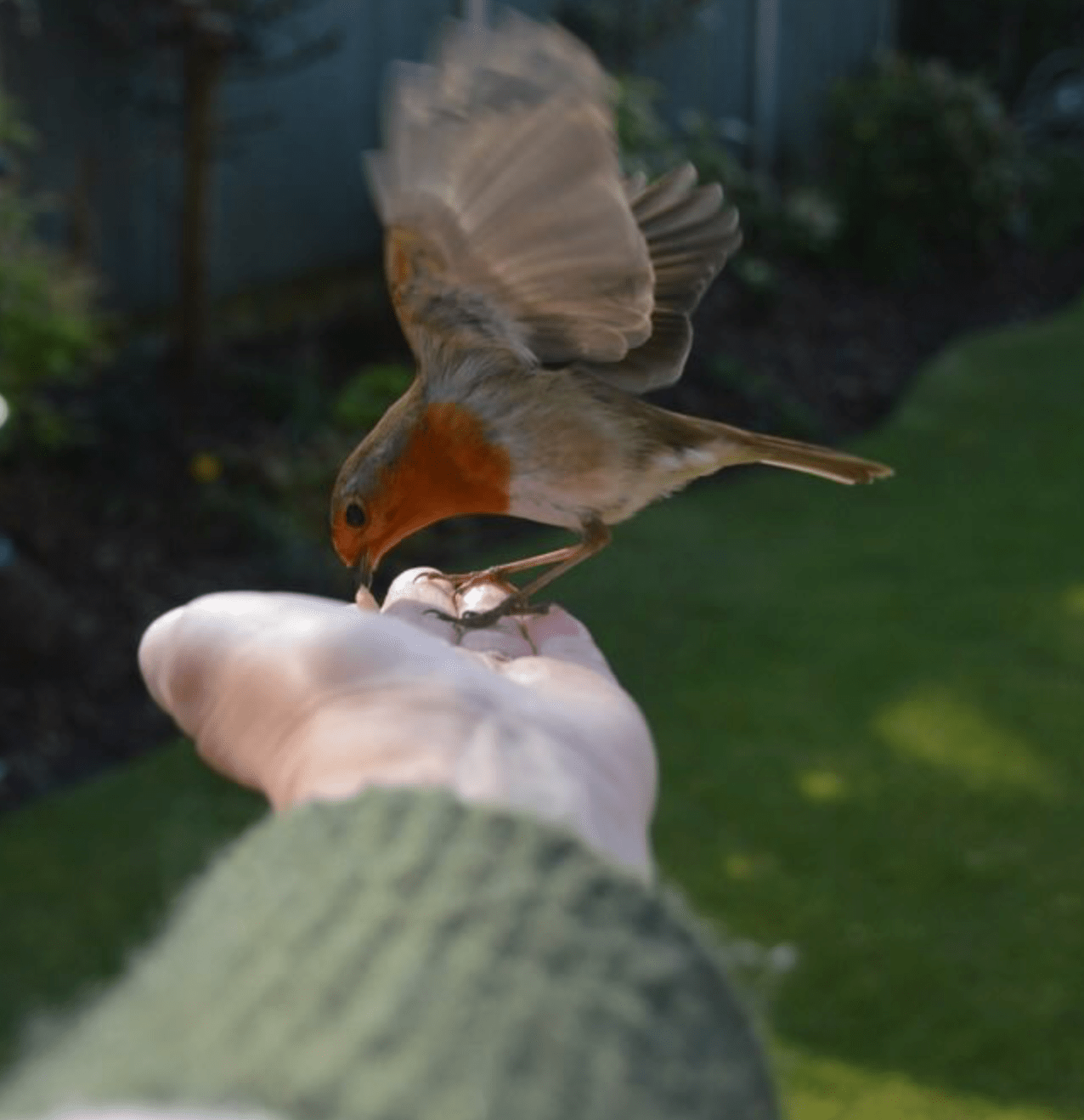
The blackbird is one of the first birds most of us learn to recognise, and one of the most overlooked. I have loved them since a holiday in Norfolk, when I watched my best friend's grandfather feed one jam from a spoon. It was only ever blackcurrant jam, obviously, and looking back it wasn't the best choice! Here are five things about them that might change how you watch the one on your lawn.
1. Gardens are packed with them
A garden can hold up to 7.3 blackbird pairs per hectare, around ten times the density of woodland. The blackbird started out as a woodland bird, and towns suit it better. Urban blackbirds also have far fewer ticks: in one French study 74% of rural birds were infested, compared with 2% of town birds. All of which means they're doing pretty well living alongside us.
2. A male is more bothered by orange than yellow
Experiments show that male blackbirds react more aggressively to orange beaks than to yellow ones, and least of all to the brown beaks of first-year males. Females are relatively indifferent to bill colour, but respond to shinier beaks.
3. They can sleep with half a brain
Blackbirds show unihemispheric slow-wave sleep, which means one half of the brain rests while the other stays partly alert, ready to spot danger. Some dolphins, seals and whales do the same.
4. Their song can start in January
A first-year male can begin singing as early as late January, and the only months with no song at all are September and October. Blackbirds also mimic other birds, and have been recorded imitating car alarms and whistling. In the evening the territorial male gives sharp chink-chink calls to try to stop other blackbirds roosting on his patch, though it usually fails.
5. The oldest one was nearly twenty-two
The average blackbird lives for about two and a half years, but the oldest ringed bird reached twenty-one years and ten months. They are also rarely taken in by cuckoos: only three of 59,770 UK nests examined held a cuckoo egg.
A little blackbird folklore
According to Celtic folklore, blackbirds are one of the oldest animals in the world, along with the stag and the trout. In Ireland, people say it is good luck to see two blackbirds together.
Legend has it that the nursery rhyme Sing a Song of Sixpence began as a coded message used by Blackbeard the pirate to recruit crew. Some say sixpence was the wage on offer, rye was the sailors' word for whiskey, and the blackbirds baked in a pie referred to a trick he used, hiding his crew to tempt sailors to his ship. It makes a good story, though we can't promise it is true.
Until about the seventeenth century blackbirds were also known as ouzels. The name blackbird itself was first recorded in 1486.
What blackbirds like to eat, and where
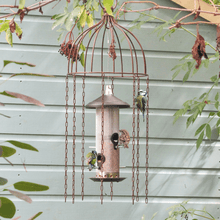
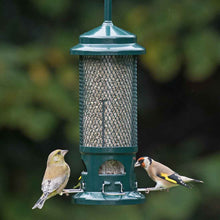
Blackbirds feed on the ground, so scatter a little of our seasonal bird food close to cover and they'll go for the sunflower hearts, kibbled peanuts and suet pellets. Fill a Little Lantern seed feeder with it for the smaller birds as well, and the blackbirds will tidy up what drops. If you are not sure which feeder suits your garden, our feeding quiz will point you in the right direction.
Want to keep track of the blackbirds in your garden? Amidst the Birdsong: A Garden Birdwatcher's Journal is made for exactly that.
Want to read about more garden birds? See all the birds in this series.