5 things you might not know about the chaffinch

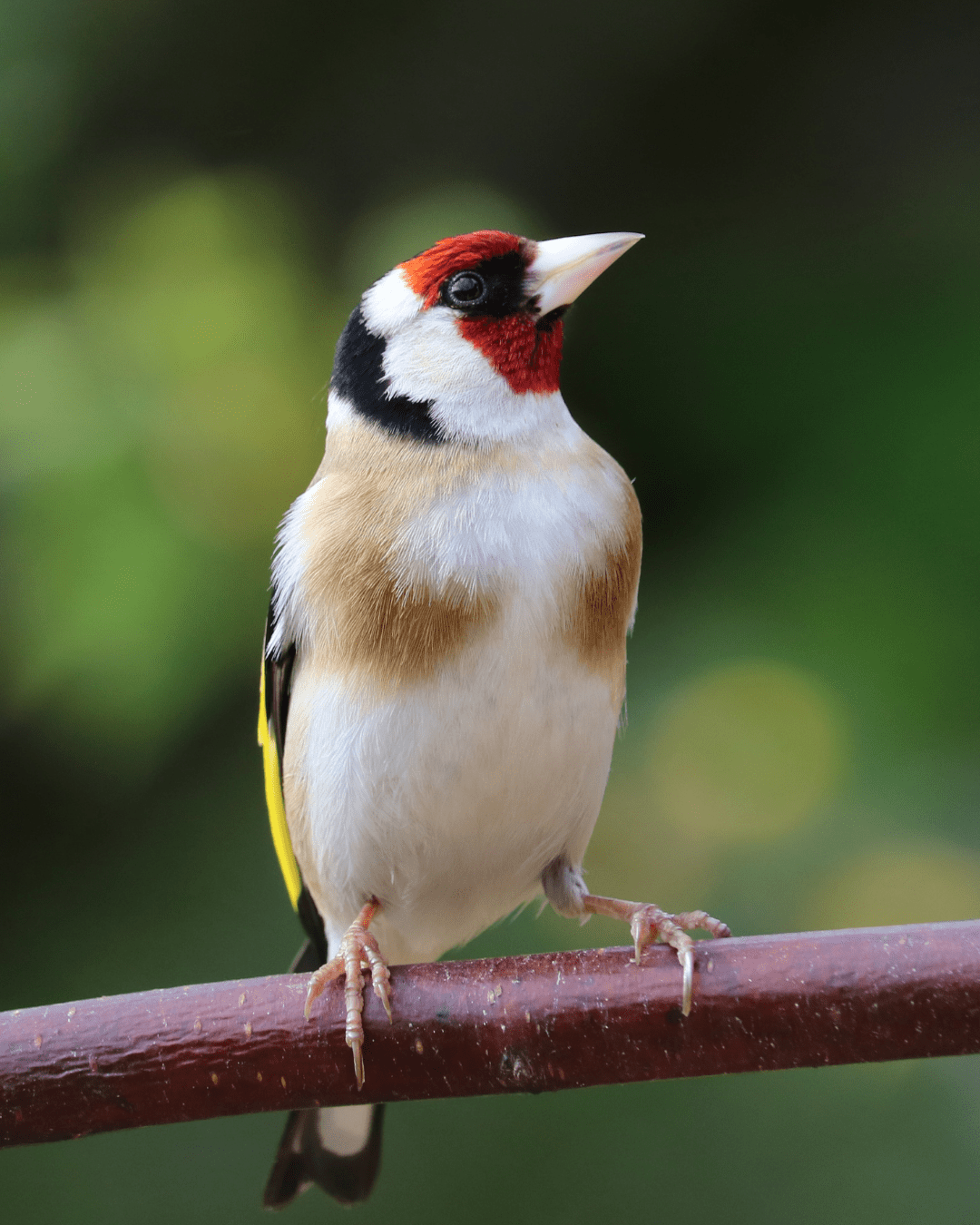
The chaffinch is so familiar that we often stop noticing it. It has one of the oddest stories of any garden bird, starting with its name.
1. Its Latin name means bachelor
Linnaeus named it Fringilla coelebs, meaning unmarried or single, after noticing that only the females migrated south from Sweden in winter. We now know that females are the ones more likely to travel further south, a pattern known as differential migration.
2. Young chaffinches must be taught to sing
A young chaffinch that doesn't hear an adult male's song during a critical period after hatching never learns to sing properly. Males usually sing two or three song types, and different regions have their own dialects.
3. Their nest is camouflaged by the female
The female builds the nest alone: an inner layer of moss and grass, covered on the outside with lichen and spider silk, so it blends into its surroundings.
4. There is a chaffinch singing contest
In Belgium, vinkenzetting is a contest in which male chaffinches are judged on how many calls they produce in an hour. In Victorian Britain, chaffinches were trapped as cage birds so intensively that by the late nineteenth century it had depleted numbers in London parks.
5. They live on the other side of the world
Chaffinches taken from Britain in the second half of the nineteenth century had colonised both main islands of New Zealand by 1900, and are now among the country's most common and widespread birds. The typical wild chaffinch lives for about three years, but the oldest on record reached fifteen years and six months.
A note on names
The English name comes from the Old English ceaffinc, and chaffinches may have been named for spending weeks picking grain from the chaff left after threshing. In 1544 William Turner recorded the folk names sheld-appel and spink, and spink probably comes from the bird's call.
What chaffinches like to eat, and where
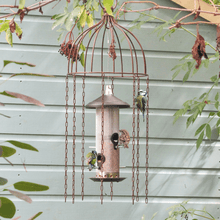
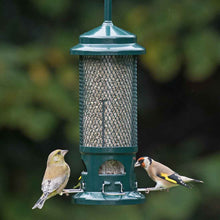
Chaffinches feed on and around the ground as well as at feeders. They have strong, stout bills, so sunflower hearts, kibbled peanuts and suet pellets suit them well, and all three are in every one of our seasonal blends. Offer them in a Little Lantern seed feeder filled with our seasonal bird food and scatter a little beneath it. Keep feeders clean, because chaffinches are vulnerable to trichomonosis. If you are not sure which feeder suits your garden, our feeding quiz will point you in the right direction.
Want to keep track of the chaffinches in your garden? Amidst the Birdsong: A Garden Birdwatcher's Journal is made for exactly that.
Want to read about more garden birds? See all the birds in this series.