Should you really stop feeding garden birds this summer? Here's what current guidance from the RSPB actually says

You may have seen the headlines this week. "RSPB tells Britons to stop feeding garden birds." Cue collective panic from the nation's 16 million bird-feeding households. Here's the thing though: that's not quite what the RSPB said.
What the guidance actually says
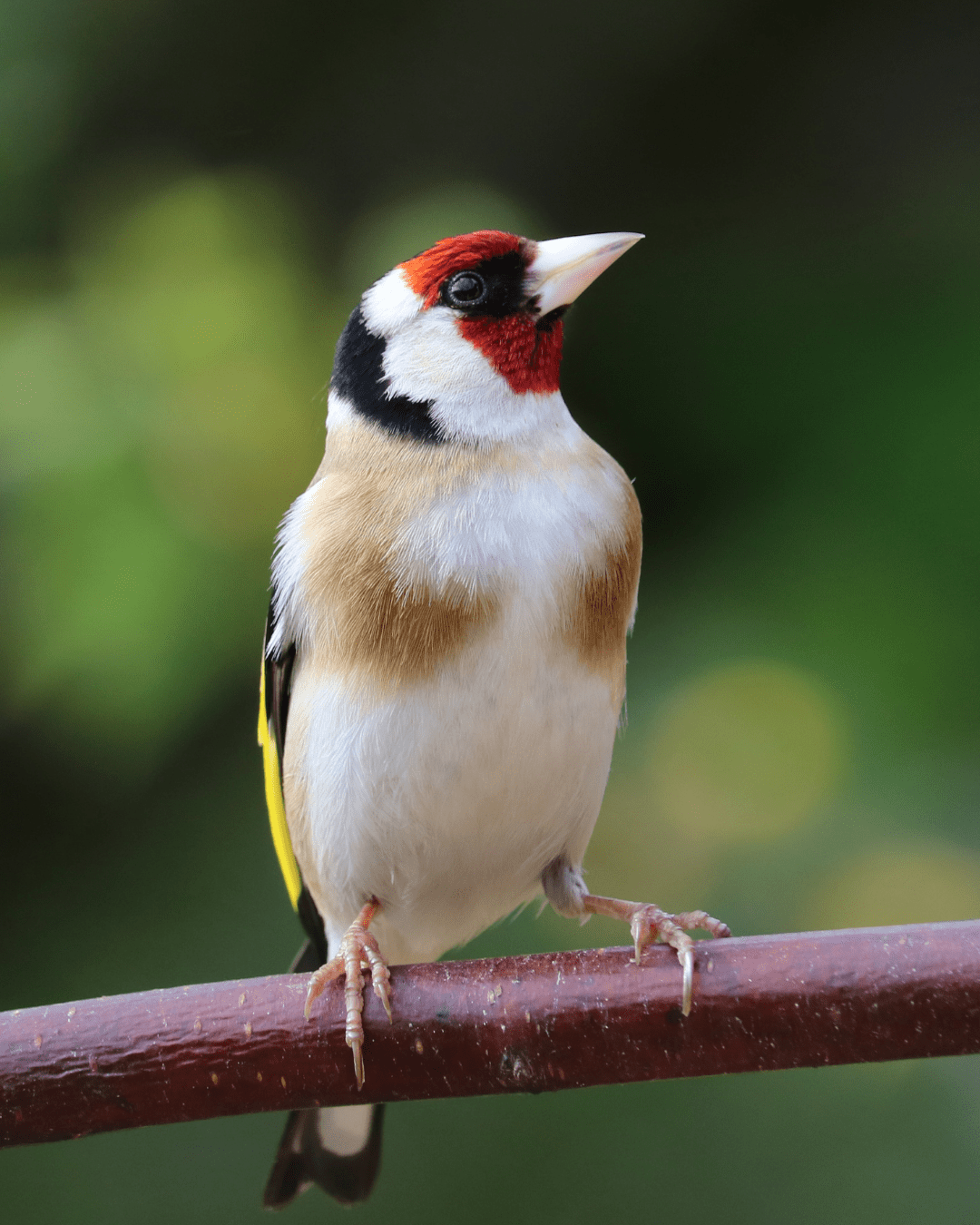
The RSPB's new advice, developed with scientists from the British Trust for Ornithology and the Institute of Zoology, is to "feed seasonally and feed safely." In practice, that means pausing seeds and peanuts between 1 May and 31 October. You can still put out mealworms, fat balls, and suet throughout the year. The reason behind the change is a disease called trichomonosis, caused by the parasite Trichomonas gallinae. It was first recorded in British finches in 2005, and has since caused serious declines. Greenfinches have dropped by 62% and chaffinches by 37% between 2011 and 2021. Greenfinches are now on the UK Red List of birds of conservation concern. The disease attacks the throat and gullet, making it impossible for birds to swallow food or water. The number of outbreaks typically peaks in the late summer to autumn months, which is why the RSPB is focusing its seasonal guidance on that period. It's a genuine conservation crisis and the concern is entirely legitimate.
But is the guidance the same for everyone?
This is where it gets more nuanced, and where the headlines have been too blunt. The RSPB's advice assumes that birds have access to enough natural food between May and October. And for gardens surrounded by farmland, wildflower meadows, and mature trees, that might be true. For urban gardens? That's a much less comfortable assumption. Research from the University of Sheffield found that urban areas generally support far fewer insects than more natural habitats, particularly caterpillars, which are a key component of the optimal nestling diet for many species. The same study found that providing high-quality supplementary food to urban great tits dramatically boosted their breeding success, with nestlings showing considerably higher survival rates and gaining significantly more body weight before fledging. These benefits weren't seen in forest-dwelling birds where natural food was already abundant.
In short: if you're feeding birds in a city or a suburb without much green space nearby, the argument that natural food will fill the gap is weaker than the RSPB's blanket guidance suggests. There's also the question of what happens if only some people follow the advice. Vine House Farm Bird Foods, a leading bird food supplier consulted by the RSPB ahead of the announcement, pointed out that if only some households remove their feeders, birds may gather in greater numbers at the remaining feeding sites, potentially increasing the risk of disease transmission locally rather than reducing it.
The real message
The RSPB's CEO put it plainly: "We're not asking people to stop feeding, just to feed in a way that protects birds' long-term health." That's a very different headline. The evidence on disease is real. The greenfinch decline is devastating. But the science also shows that how you feed matters as much as whether you feed. Clean feeders, quality food, appropriate quantities and the right food types make a genuine difference, especially in areas where birds have fewer natural alternatives.
On feeding little and often, and keeping feeders clean
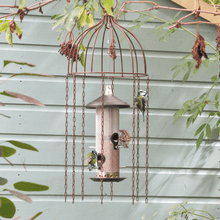
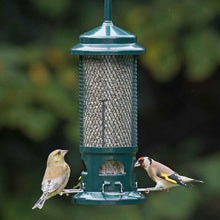
The best thing you can do for the birds visiting your garden this summer is to feed little and often. Put out only what birds will eat within a day or two, and adjust the amount based on how quickly it disappears. A half-empty feeder that's been sitting for a week is doing more harm than good. Alongside this, clean your feeders thoroughly at least once a week. Use a dedicated bird feeder disinfectant or a diluted bleach solution (1 part bleach to 9 parts water), scrub into all the crevices with a brush, rinse well, and let it dry completely before refilling. Move your feeder to a different spot each week too, so that contaminated debris doesn't build up in one place beneath it. It sounds like a lot, but it quickly becomes habit, and it's the single most effective thing you can do to keep your garden birds healthy. You can choose a feeder that holds less food and is easy to take apart and clean, like our Little Lantern.
On our seasonal blends
We've always made our bird food seasonally, adjusting the recipe throughout the year to match what birds actually need, and what's safe to offer them. In our summer blends we use a little less suet than in winter, because suet can soften and go rancid in warm weather, and rancid fat isn't good for birds. We also only include ingredients that birds will actively eat, which means food moves through the feeder quickly rather than sitting around and becoming a source of contamination. You'll also notice that we don't include dried mealworms in our spring and summer recipes. Dried mealworms are a great food in the cooler months, but during the breeding season when parent birds are feeding chicks, we have concerns about offering them: unlike live mealworms or natural invertebrates, dried mealworms contain no moisture, and young birds in the nest depend entirely on the water content of their food for hydration. It's a small detail, but it's the kind of thing we think about so you don't have to.
If you're a responsible feeder (and the fact that you're reading this suggests you are) carry on. Just carry on thoughtfully.
To read more about our reaction to the RSPB guidance, take a look here.