The rain came late, and the berries came early

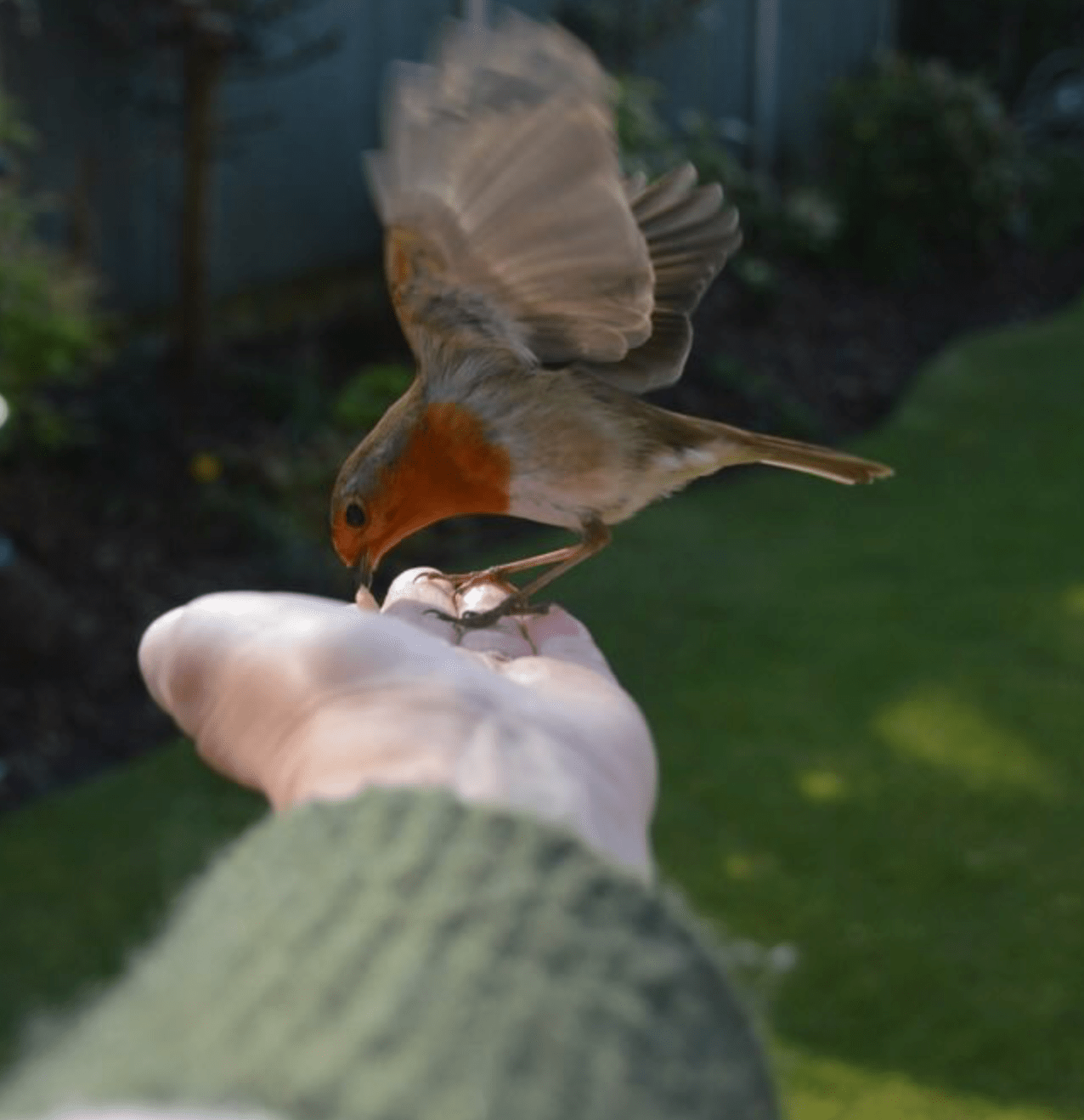
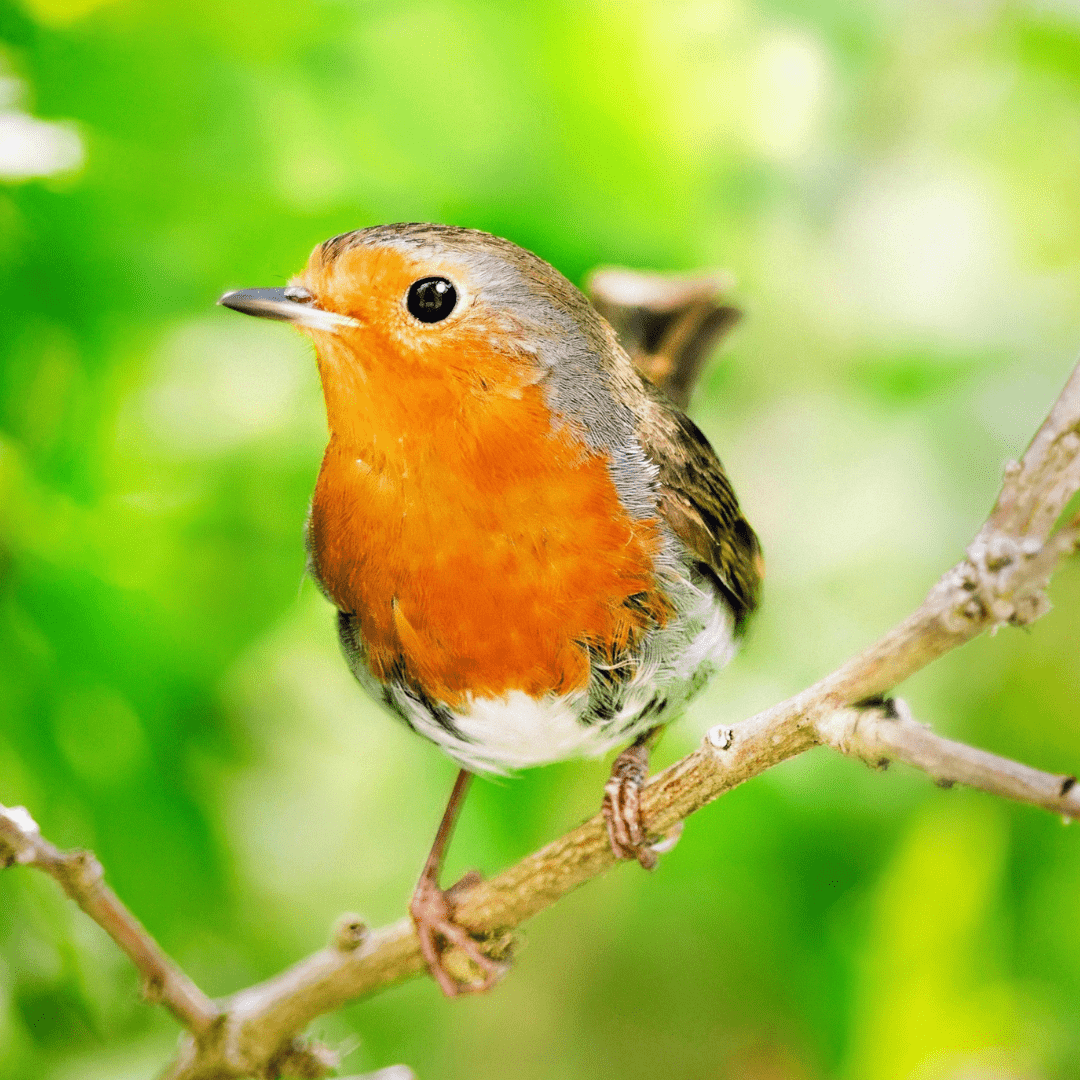
The rain over the last week has been biblical. After weeks of watching everything wilt, the garden has been washed properly clean, and the sunflower by our back door, which I use as an unofficial moisture gauge, is looking healthier than it has all summer. It's the wettest week England has had since early February, and after such a long stretch of drought it feels like the season has finally turned. The starlings, robins and blackbirds are pecking in the ground for food again, which is a brilliant sign.
But rain in September doesn't undo what happened in July and August. The berries that were meant to swell during the hot months either did or they didn't, and the crop is what it is now. So this week I went out to look at the hedge properly, and to see whether my August prediction about a lean autumn for the birds was actually coming true.
What I saw
The rowan tree is definitely bearing berries, but there are fewer of them than usual. Not a bare tree by any stretch, just a thinner crop. The haws are the same, present but not as many as usual. Nothing dramatic, more the sort of thing you only notice if you were expecting more.
The blackberries are the odd one. I've always thought of blackberry picking as an early autumn job, something for the first week of September, but the brambles at the back of our garden and in the fields where we walk our dog are bare. The fruit ripened weeks ahead of schedule and the berries that would normally be keeping the birds going aren't there now.
What the numbers say
I'm not just going on what I've seen in my own garden. The Environment Agency's most recent dry weather report, covering the last week of August into the first days of September, confirms that this was the wettest week since early February and that river flows and soil moisture have improved across much of the country.
That's the good news. The less good news is buried in the same report. August rainfall reached 78% of the long term average nationally, but in the south east of England it was only 54%. Ten Environment Agency areas are still officially in drought, and reservoir storage is at 58% nationally, well below where it should be at this point in the year.
In short, the rain has helped, but the further south east you go the less help there has been, and the crops that were compromised earlier in the summer are not coming back.
What this means for the birds
The birds that will notice this first are the winter thrushes. Redwings and fieldfares arrive from Scandinavia from about mid-October, and they rely heavily on hedgerow berries to see them through their first weeks here. In a normal year they arrive to a full hedge. This year they will arrive to a hedge that has already been part-cleared by resident birds working through what they could find early.
The blackbirds and thrushes that stay here year round are in the same boat. They've had the pick of the crop while it was there, but there is less of it than usual to see them through November and December.
There isn't a way to plant a solution to that in September. The hedgerow crop is set. What I can do, and what you can do, is take pressure off it wherever possible.
What I'm doing this weekend
First, I'm leaving the berries alone. Every berry I leave on the branch is one more meal for a redwing in October, so I won't be pruning the roses or touching the berries at all. If you were planning to prune anything that is berrying, this is the year to leave it until late winter. Second, I'm keeping water out. The rain has topped the bird bath up for me but it won't stay that way for long, and clean water is as important to a bird as food.
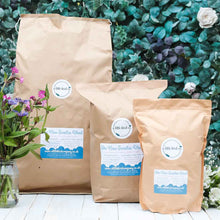
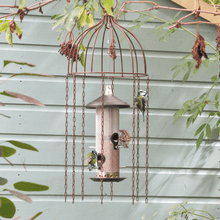
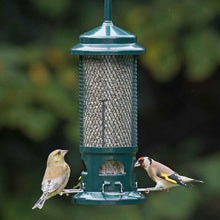
Third, I'm going to start topping the feeders up with extra food. The natural larder is thinner than usual.
Learn More about the seasonal blend
Back to the sunflower
The sunflower by the back door is standing tall again, so on that measure the drought is over. But the story in the hedgerow is on a different clock, and it hasn't caught up. The rain has softened the ground and refilled the water butts, and the ground feeders are back to probing for worms, which is a genuine improvement I hadn't expected quite this soon.
The berry crop is what it is though. My August guess turned out to be about right. Not a disaster, just a thinner year, with a slightly earlier deadline.
If you spot anything interesting on your hedge or in your garden over the next few weeks, I would love to hear about it. My prediction was based on what I could see from one garden and our local fields. The picture across the country is patchier than any one of us can see on our own, and readers writing in with what they are noticing locally is genuinely how I learn what is actually happening.
Happy birdwatching, and enjoy the wet weather while it lasts.