What to cut back after the summer drought, and what to leave for the birds | September 2026

After the summer we've had, our garden is looking much less green and healthy than usual, and I haven't been sure what to cut back and what to leave. So I looked it up, and what I found changed my plans a bit. It's tempting to get the secateurs out and start hacking away when things don't look their best - a clean slate is always appealing. But it's worth thinking about what the birds need from your garden over the next few months first, because this autumn is a little different from most.
If you missed it, I wrote about how the drought affected garden birds back in August. This is the next step: what to do in the garden now.
The Met Office's provisional figures show that September was the joint-fourth warmest on record for the UK, and the third warmest for England, straight after the hottest summer on record. Rain did arrive, but not evenly. Scotland had over a third more than usual, while England had just 65% of its average September rainfall, and parts of the south and east stayed particularly dry. The Environment Agency's chief executive, Philip Duffy, said the drought is only over once groundwater, rivers and reservoirs are back to normal, and that will take months of steady rain. So the birds still need us for water. A shallow dish with a few stones in it, topped up and rinsed out every day, is all they need. If you can, fill it from a water butt or a bucket left out in the rain, so you're not adding to the demand on the mains supply.
What to cut back in autumn after a drought
The RHS's principal horticultural advisor, Leigh Hunt, says plenty of us will have drought-damaged plants to deal with this year. His rule is a helpful one: anything dead or dying can come out at any time.
Perennials that finished flowering earlier in the summer, such as delphiniums, lupins, phlox, geums and nepeta, can also be cut back now. If your peony leaves are still green, leave those for now. They're still feeding the roots for next year's flowers.
How to tell if a plant is dead or just dormant
A lot of drought-stressed plants look worse than they are. To check, scrape a little bark on a stem with your fingernail. If it's green and sappy underneath, it's alive, so leave it. If it's brown, that part is on its way out and you can cut it back to healthy growth.
What to leave in the garden for birds this autumn
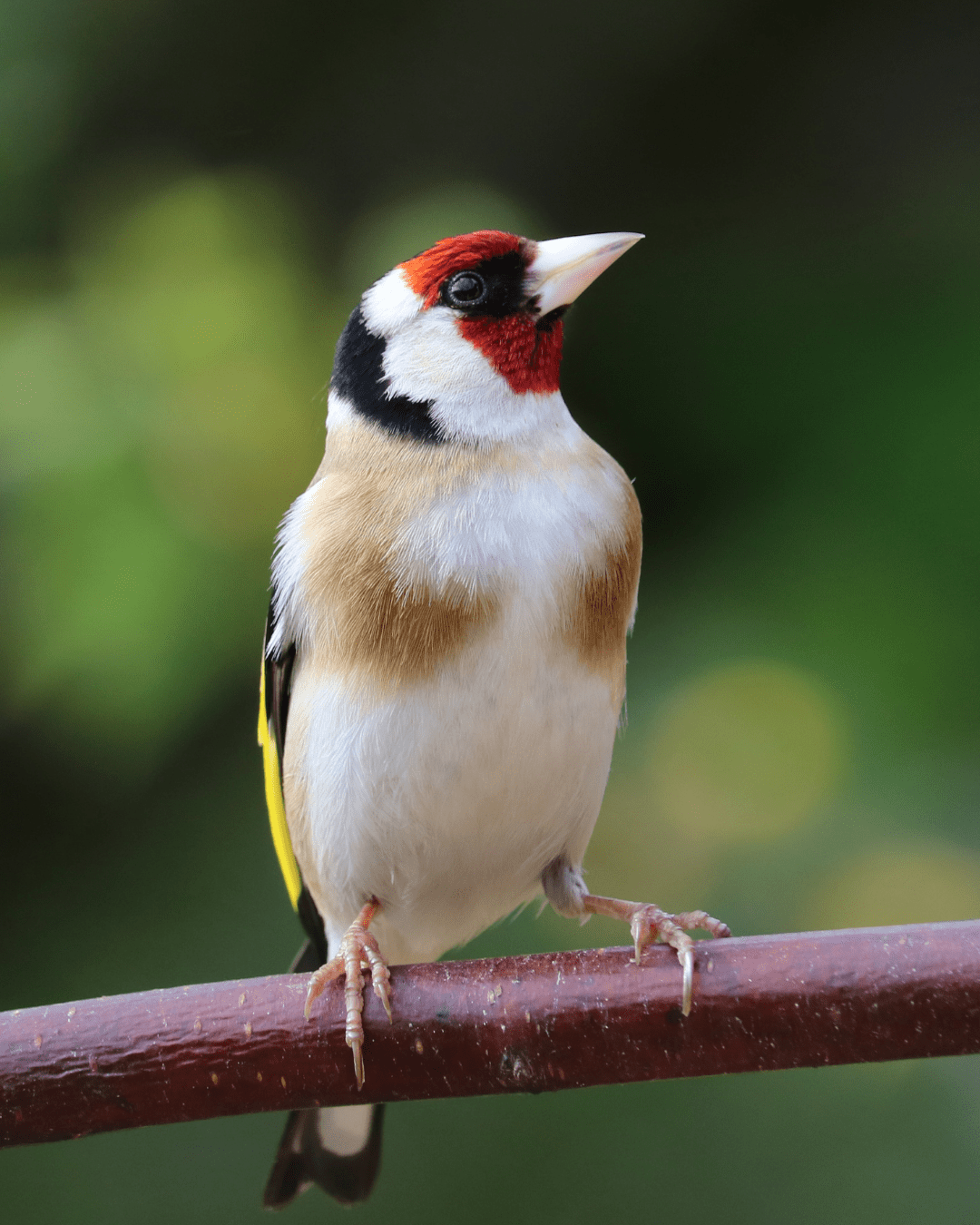
Seedheads. Echinacea, rudbeckia, heleniums, sea holly and globe thistle all hold their seed well into winter. Goldfinches and other seed eaters will work through them for weeks, and they look beautiful with a frost on them too. Leaving them standing is one of the easiest ways to keep a wildlife-friendly garden through winter.
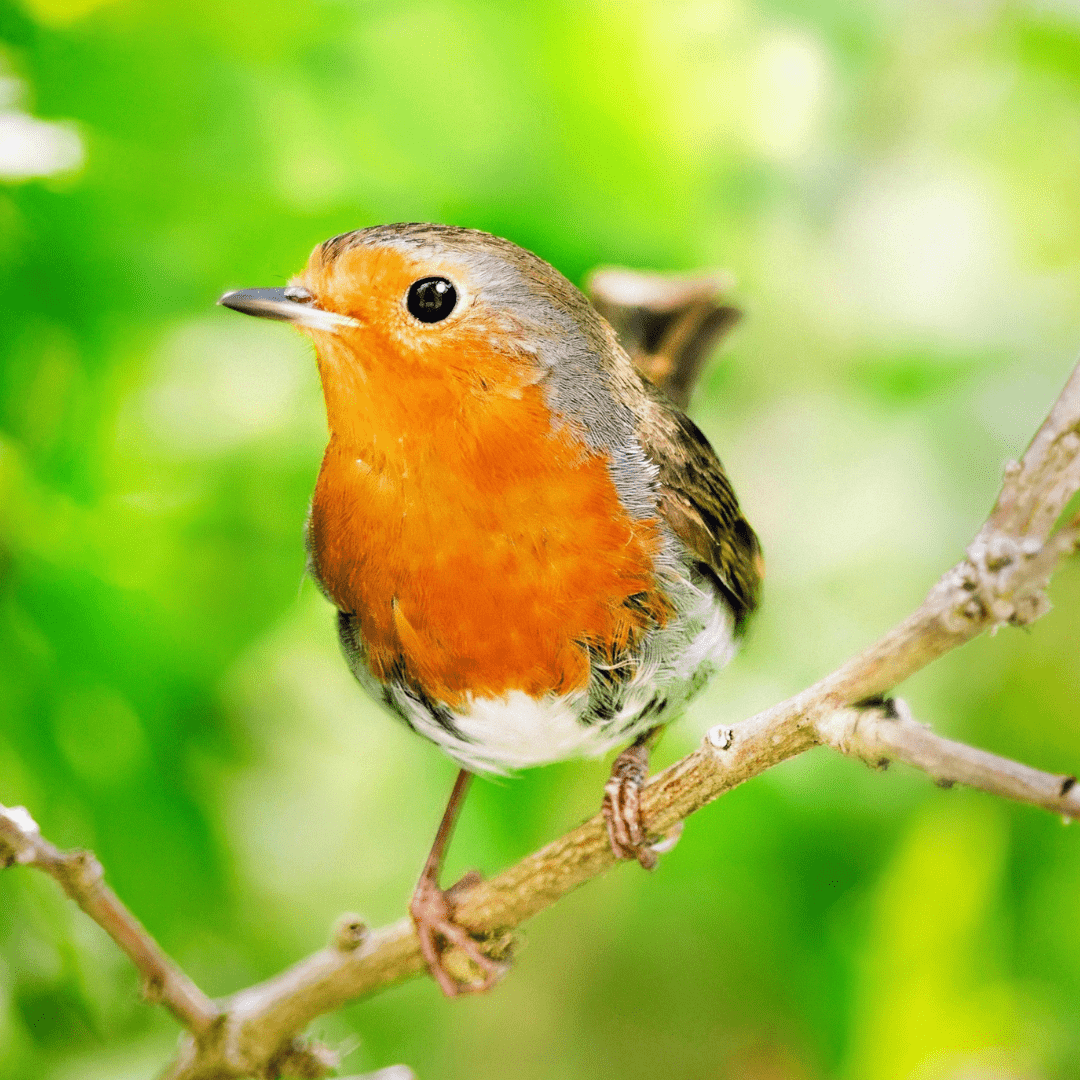
Grasses. Resist cutting them back. They give shelter to insects over winter, and those insects are food for wrens, robins and dunnocks.
Hydrangea heads. Leaving the old flowers on protects the new buds underneath through winter.
Dense shrubs and untidy corners. Many garden birds are still moulting. Robins, blackbirds, blue tits and house sparrows replace their feathers between July and October, and while they do, they spend much more of their time tucked into dense cover. A hard prune now takes away their hiding places just when they need them most.
Berrying hedges. Autumn is the traditional time for a hedge trim. If you're wondering when to cut hedges for birds, though, the answer is later. If yours has berries on it, I'd leave it until late winter so the birds can finish them first.
A few fallen leaves. A layer of leaves in the borders is where blackbirds and thrushes find worms and beetles. They'll turn it over for you.
Why the berries are different this year
The Woodland Trust's Nature's Calendar recorded the first ripe blackberry of 2026 on 26 June, two whole months earlier than expected. The very dry conditions pushed trees and shrubs to fruit as early as they could, as a way of surviving the stress. I wrote more about this in The rain came late, and the berries came early.
That matters because of timing. In October and November, redwings and fieldfares arrive from Scandinavia for the winter, and hedgerow berries are a big part of what they eat when they get here. This year, a lot of that fruit ripened while they were still far away, and our resident birds have had first pick. If your hedge already looks stripped, that's why.
The good news is that a garden can help cover that gap, and none of it takes much effort.
Three things to do to help your garden birds
1. Cut out what's dead, and leave what's seeding. A light tidy is all most gardens need this autumn. Save the bigger jobs for spring.
2. Plant a berrying shrub or hedge. The RHS has been encouraging more autumn planting after this year's heat and drought. The soil is still warm and winter rain helps roots settle in before next summer. Hawthorn, rowan, holly and guelder rose are all native, all brilliant for birds, and bare-root plants from November to March are an affordable way to start. We had 1.5m of paved ground in our front garden, so I packed it with hawthorn and in four years it has thickened up. Now, when I leave the house I can hear the house sparrows squabbling in our hedge and I feel so happy knowing I was the one who made that happen. You don't need a mile of hedging to make a difference - a short stretch of unused ground can help the birds so much.
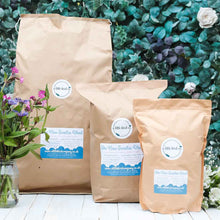
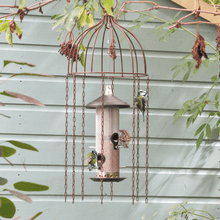
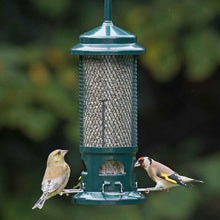
3. Keep your feeders topped up. With less natural food around, a reliable feeder makes a real difference to garden birds through autumn. My seasonal blend changes to Fall Into Winter in October, made for the colder months ahead. You can start with a 700g letterbox bag or set up a seasonal subscription so the next blend arrives when the season turns. If you're not sure what to put out, my guide to what to feed the birds in autumn and winter covers the basics.
I'd love to hear what you're leaving standing in your garden this year.