What to plant this autumn for next year's garden birds

I love autumn planting, and always have. There is something satisfying about working hard in the cold, then going indoors to warm up and rest. For me, autumn planting has always meant bulbs, and getting the biennials I sowed in June into the ground. But it is also a very good time to plant for birds, because a plant put in now has a head start on becoming food and shelter for them.
The RHS is making a strong case for planting more in autumn after our hot, dry summer. Its principal horticultural adviser, Leigh Hunt, says autumn planting gives plants time to settle in while the soil is still warm and the rain is more reliable. For anyone planting with birds in mind, that gives berrying shrubs and hedging a head start on becoming food and shelter in the years ahead.
Why autumn works for planting
The RHS gives four reasons. The soil is still holding summer warmth, which helps roots grow. Cooler weather means less heat stress, so the plant can settle in a little better. Autumn and winter rain does more of the watering for you , and plants build stronger roots before spring growth begins.
One note on watering. Leigh Hunt points out that newly planted trees still need regular watering for their first two years, especially in summer. Autumn planting takes the pressure off those first few weeks, but we would need to come up with a solution for keeping them well watered in the summer. I'm keen to look at rainwater harvesting this year.
Berries and hedges
Berries are one of the easiest ways to feed birds from your own plants. Container-grown shrubs and trees can go in now, and I've had lots of success with bare root plants put in at this time of year.
The Wildlife Trusts recommend a hedge over a fence or wall, because wildlife can move between gardens and find food and nesting places along the way.
I always imagined a hedge would only make a difference if you had acres of land, but decided to give it a try anyway and planted some bare root hawthorn hedging and a honeysuckle in our very small front garden. We only had around five feet of space, so the hedge was small, but it grew quickly and is now home to a huge flock of sparrows. I stand looking either down from our bedroom window or out through our front door to watch them - who knew a small patch of land could make such a big difference. These berrying and hedging plants are all on the RSPB's list:
- Hawthorn. The red berries, called haws, feed blackbirds, thrushes, greenfinches, starlings and many other birds in winter.
- Rowan. Thrushes eat the berries, including redwings and fieldfares.
- Guelder rose. Glossy berries hang in clusters through autumn and winter.
- Blackthorn. Thrushes eat the sloes in autumn.
- Ivy. The RSPB calls it one of the best plants you can grow for wildlife, and its berries are richer in fat than most others. Choose the native kind, Hedera helix.
Teasel: how and when to plant it
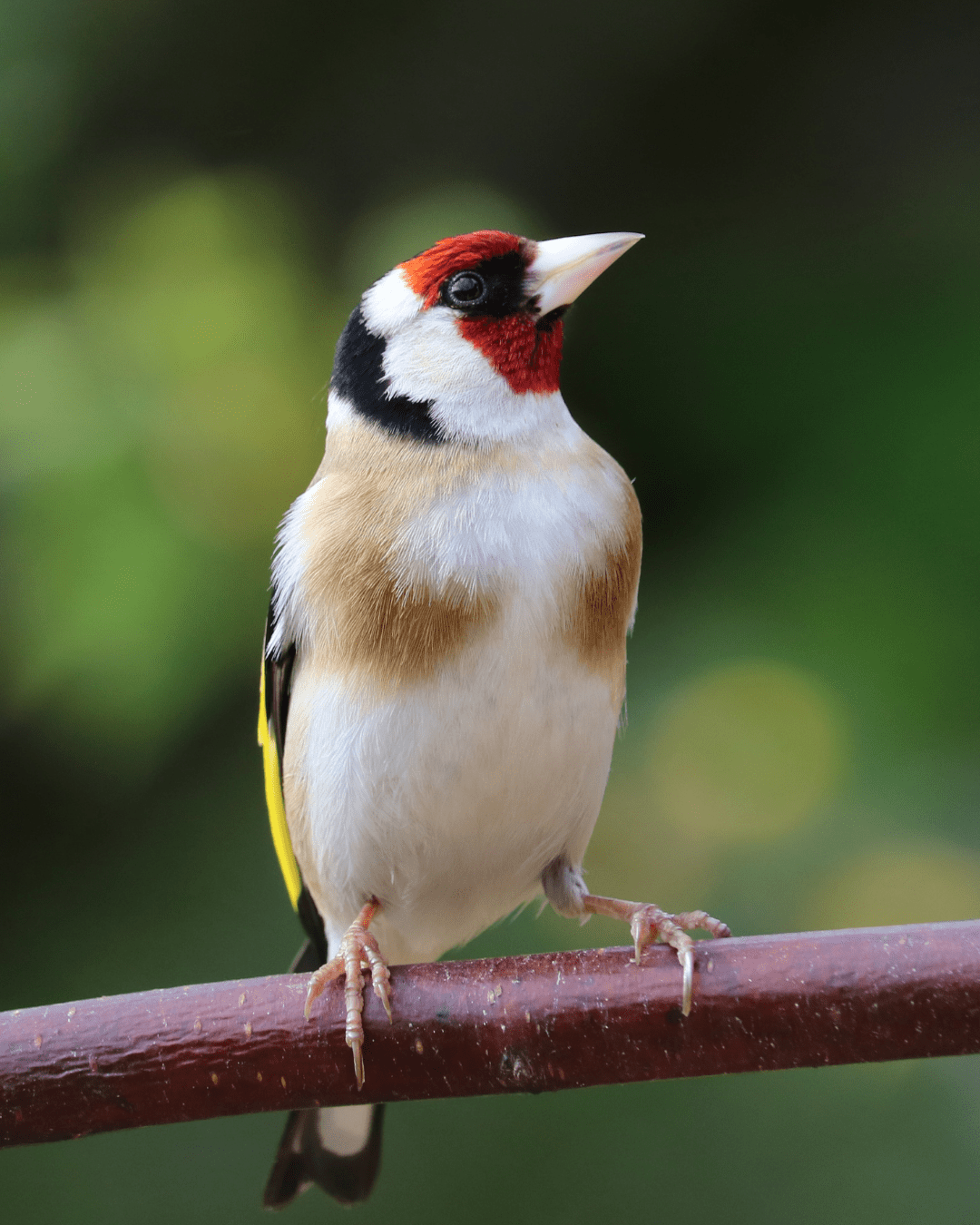
Teasel is one of the best plants you can grow for goldfinches, and autumn is a good time to sow it. The RHS gives September to October or March to May as the sowing windows. Here is how to do it:
- Choose a sunny spot with room to spread, in soil that is moist but well drained. A teasel can grow to around two metres tall.
- Sow the seed shallowly, straight into a well-prepared bed where you want it to grow.
- When the seedlings appear, thin them to around 30cm apart.
- If you start the seed in pots instead, plant the seedlings out while they are small. Teasel grows deep roots quickly, and plants left too long in pots end up stunted.
- Keep the young plants watered until they are established.
Teasel is a biennial, so it makes a rosette of leaves in its first year and flowers in its second. Sow it two years running and you will have flowers and seedheads every year. Bees visit the flowers, and goldfinches feed on the seed.
Two things are worth knowing before you sow. Teasel self-seeds freely, which is a bonus in a big space, but it might be worth thinking carefully before growing it in a small garden. And when the flowers are over, leave the seedheads standing. The RHS says to leave some for the birds, and either cut the dead stems back in late winter or leave them for winter interest.
Small trees and shrubs for any garden
A tree can feel like a big commitment, but there are good small ones. The International Tree Foundation suggests one or two small trees near the boundary for a small garden, bearing in mind where the shade will fall. It says trees in pots are a good option for very small gardens, and that many trees can be pruned to keep them small.
The RHS's list of native trees gives the size at maturity. These are the ones that help birds:
- Crab apple. Up to about nine metres. The RSPB says it supports insects such as caterpillars and aphids, and gives thrushes fruit in autumn and winter.
- Blackthorn. About five metres. Thrushes eat the sloes in autumn.
- Hazel. About five metres, and one of the trees the RHS recommends for gardens.
- Holly. Evergreen, with berries that thrushes, blackbirds, fieldfares and redwings usually leave until late winter. Only female plants carry berries, and there must be a male nearby to pollinate them, so check the label.
- Rowan. The RHS gives the native rowan a mature height of about 15 metres, so it is the biggest on this list. The International Tree Foundation still lists rowan among trees for small gardens, so ask a nursery which varieties stay smaller. The RSPB says thrushes, including redwings and fieldfares, eat the berries.
Container-grown trees can go in now. Bare-root trees are sold dormant and planted from November to March, as long as the ground is not waterlogged or frozen.
Seeds to sow now
Autumn is also a good time to sow seed straight into the ground, and you do not need much space. The RHS says to sow hardy annuals in September and October, when the soil is moist, and that autumn-sown plants flower earlier than spring-sown ones. Rake out any large stones first, so you have a fine, crumbly surface.
The RHS suggests these for sowing now without protection:
- Cornflower.
- Love-in-a-mist (Nigella damascena).
- Pot marigold (Calendula).
- Shirley poppy and ladybird poppy.
The RHS adds that in the north, or after a harsh winter in the south, even these may need some protection. These plants are mostly about insects rather than seed for birds. The RSPB points out that plants without an obvious larder of seeds can still be full of the insects and other invertebrates that birds feed on.
This autumn I have been adding Seedball's bird mix to the garden. Seedballs are seed, peat-free compost and clay rolled into a ball, so you scatter them on prepared soil or compost and leave them to it. The bird mix has six wildflowers in it: corn marigold, common poppy, greater knapweed, sheep sorrel, tufted vetch and wild carrot. A tin holds 20 balls, which Seedball says covers about a square metre or three to five medium pots, and they can be scattered in spring or autumn.
Seedball's co-founder, Ana Attlee, gives five reasons why autumn suits seedballs:
- Native wildflowers drop their seed in autumn, so scattering now follows the natural cycle and often means better germination.
- There are fewer weeds to compete with, as annual weeds die off and perennial weeds go dormant.
- Autumn weather is cooler and wetter, which helps seed settle in and eases the stress on young seedlings.
- Roots keep growing over winter, so plants are better set up for a hot, dry summer.
- Some seeds need a spell of cold to wake them up, and winter does that for you.
Seedball's Ana Attlee also says birds are less likely to eat scattered seed in autumn, because there is more other food around for them.
Two cautions from the same article are worth passing on. Avoid scattering after the first frosts, which usually arrive in November, unless a mild winter is expected. And if your soil is waterlogged or heavy over winter, wait until March or April, because seed can rot instead of germinating.
For something that feeds birds directly, look to native wildflowers. Plantlife says goldfinches are attracted to knapweed when it sets seed, and suggests sowing native flower seed in patches of prepared soil in autumn. If you would rather plant than sow, Plantlife recommends native meadow plug plants in autumn, such as cowslips, bird's-foot trefoil, betony, oxeye daisy, selfheal and knapweed.
If you have a patch of long grass, Plantlife also suggests adding yellow rattle in autumn. It reduces the growth of competitive grasses, which gives wildflowers more room. It needs a spell of cold to germinate, so autumn is the right time to sow it.
Perennials for seeds and cover
The RHS says hardy perennials get the same autumn advantage as trees and shrubs, because their roots settle in while the soil is still warm. Several of the perennials it recommends for hot, dry summers are also on the RSPB's list of plants to grow for their seedheads:
- Sedum. The RHS lists it for hot, dry gardens, and the RSPB lists it for seedheads.
- Sea holly. The RHS recommends it for dry summers, and the RSPB includes it for seedheads.
- Ornamental grasses. The RSPB lists grasses as seedhead plants. The RHS suggests Stipa gigantea for hot, dry gardens, and switch grass or miscanthus where winters are wet and summers are dry.
The RSPB's list also includes phlomis, helenium, rudbeckia, agastache and globe thistle. Check the plant label or the RHS page for each one before you buy. The RHS advises waiting until March to plant anything slightly tender.
Bulbs that feed birds too
If you already plant bulbs in autumn, as I always have, alliums do double duty. The RSPB lists them among the seedheads that birds use, so leave them standing once the flowers fade. The RHS says to plant them in early to mid autumn, at a depth of about four times the width of the bulb. Smaller alliums go 7.5 to 10cm apart, and taller ones need at least 20cm between them.
Leave some things alone while you plant
Planting is half the job. The other half is not tidying too much. My post on what to cut back after the drought, and what to leave for the birds, covers it: Read the post here.
A little help from the bird feeder
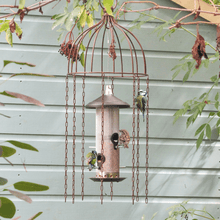
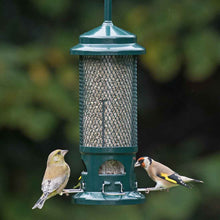
Planting for birds is about creating more natural food in the garden, but you don’t have to choose between that and putting out bird food. The two work rather nicely together. Seeds, berries and insects provide variety throughout the year, while a good bird food mix can help fill the gaps when natural food is harder to find.
If you’re already making your garden a little more bird-friendly this autumn, you can find our seasonal bird food blends here. They’re mixed without wheat, maize or other cheap fillers, with ingredients chosen for the smaller garden birds we love seeing at the feeder.
Some garden jobs this autumn
- Walk round your garden and note any gaps, such as a bare fence or an empty corner.
- Sow a patch of teasel this month, if you have room for a tall plant that self-seeds.
- Plant a few allium bulbs in early to mid autumn.
- Pick one berrying plant from the list above and ask a local nursery for a native version.
- If you have room for a hedge, order bare-root plants now for planting in November.
Whatever you plant, I would love to see it. Tag me on socials @alittlebirdcompanyuk!