How the 2026 UK drought is affecting garden birds (and what you can do to support them)

As of early August 2026, half of England is officially in drought. July recorded just 7% of its long-term average rainfall; the ground is cracked, the grass is brown and it would be easy to read the headlines and feel a bit hopeless. But the picture is more nuanced than "drought equals disaster", and some of what we're seeing at our feeders right now is actually worth paying attention to for reasons that are more interesting than alarming.
Here's what's going on, and what it means for the birds you're feeding.
What's happening below ground
Drought starts with soil and it works its way up. When the ground dries out, plants stop growing. The wildflowers and grasses go first because their roots are shallow. Trees and deeper-rooted shrubs hold on longer, but eventually they shut down too, producing less new growth, fewer flowers and ultimately fewer seeds, berries and fruits later in the year. Our garden is a textbook example. The annual wildflowers we sowed in autumn and spring were brilliant through June, but they've browned off now. The thistle, the nettles, the established shrubs are all fine, which tells you something about how root depth determines what survives a dry spell.
As soil hardens, the invertebrates that live in it respond in predictable ways. Earthworms burrow deeper and become dormant. Slugs and snails hide away. The leatherjackets, beetle larvae and other soil-dwelling creatures that blackbirds, robins, starlings and thrushes depend on are still alive, but they're out of reach beneath compacted ground. A blackbird standing on baked earth isn't going to find much, no matter how hard it tries.
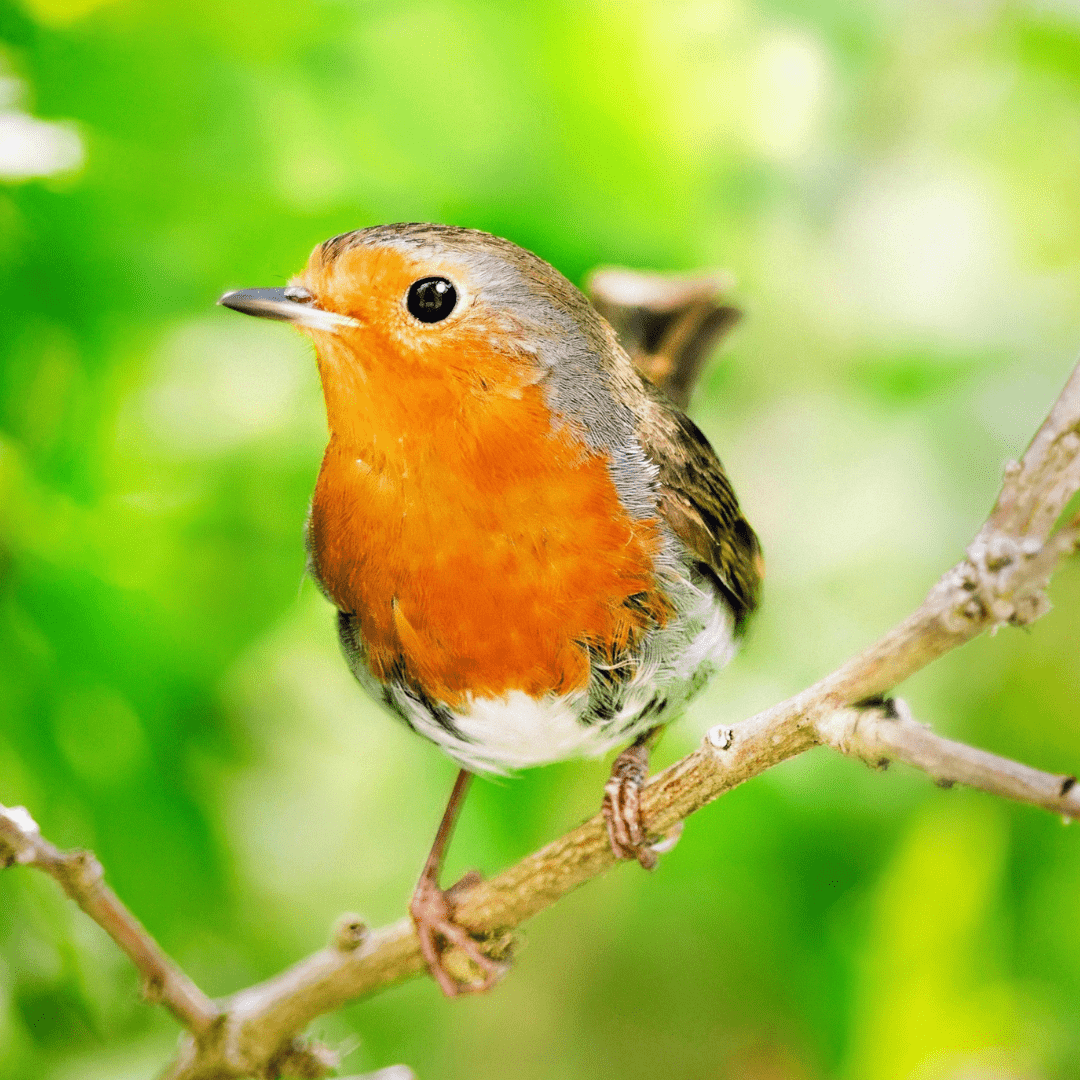
This matters because so many of our garden birds are ground feeders. Robins, blackbirds, song thrushes, dunnocks and starlings all rely on being able to probe soft ground for food. When the ground is like concrete, that food supply effectively disappears - just like they'd find little to eat on our tiled floors indoors, they're finding little in the garden at the moment too.
What's happening in the hedgerows and on the farms
This year's harvest tells part of the story. Farmers across southern and eastern England have been bringing crops in early because the dry conditions have accelerated ripening. Some cereals have been harvested weeks ahead of schedule. The drought stress means many crops simply stopped growing and dried down earlier than they should have.
For farmland birds, that's significant. An early harvest removes cover and food sources sooner. Stubble fields that would normally sustain birds through late summer are being cleared or ploughed earlier. Skylarks, yellowhammers and corn buntings, which nest and forage in arable fields, lose both shelter and food when harvesting happens ahead of the usual window. The Government's own drought reporting has noted that crops are being harvested early and yields are likely to be lower, and that farmers have already started drawing on winter forage reserves because grass growth has stalled.
It also creates a knock-on problem for autumn. Drought-stressed hedgerows may look green again once rain returns, but if the flowering, pollination or fruit development was interrupted during the dry period, the berry crop in September and October could be significantly reduced. Fewer blackberries, sloes, haws and elderberries means less food for thrushes, warblers and other species that rely on hedgerow fruit to build reserves before winter.
What we're actually seeing at the feeders
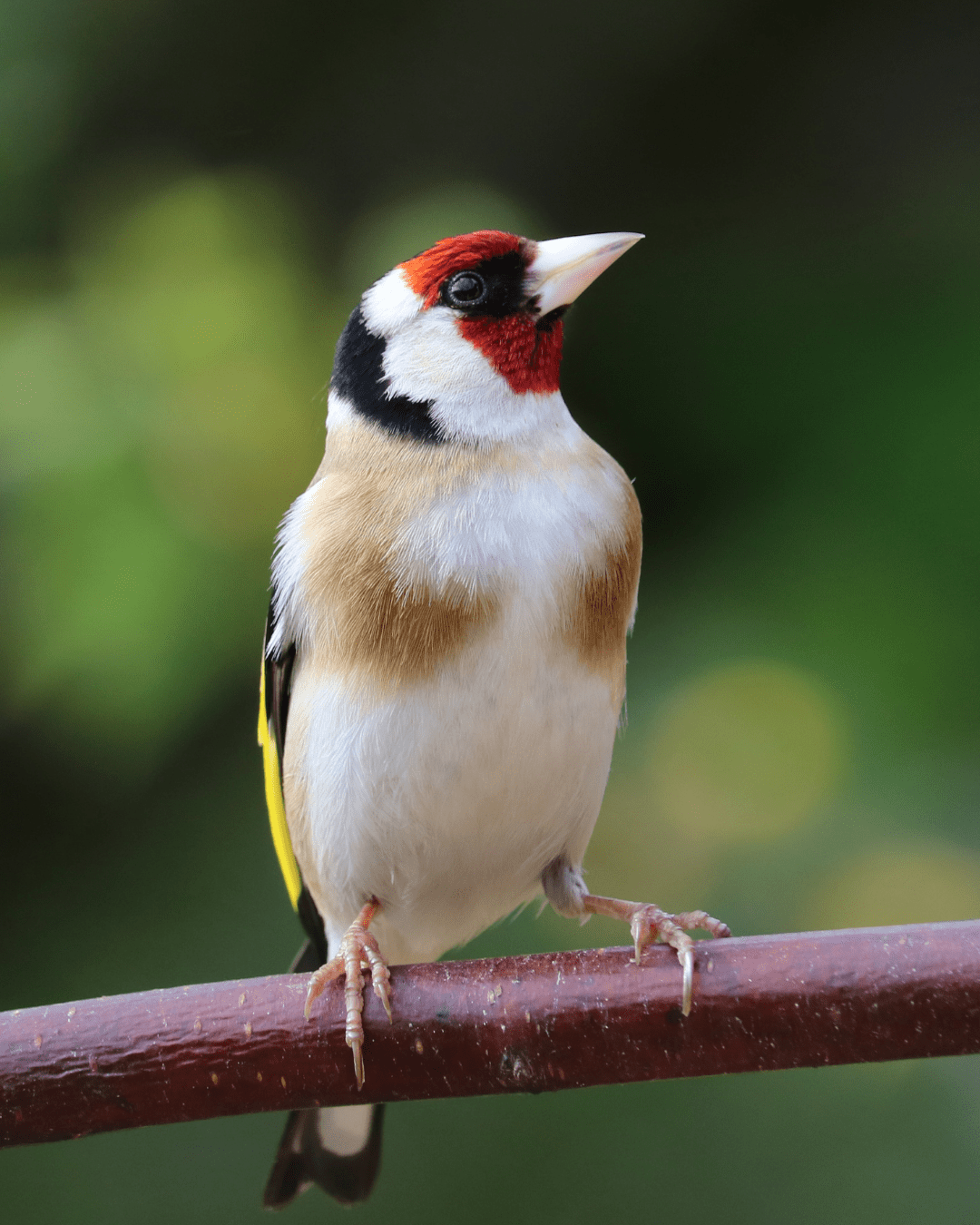
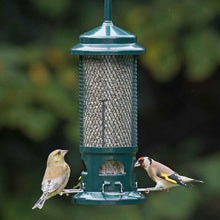
I've been speaking to customers over the last few weeks, and the pattern is consistent. People are seeing more birds at their feeders than they'd usually expect in August, and they're seeing species they don't always get at this time of year. Woodpeckers, which tend to be more occasional visitors to hanging feeders, have been turning up regularly. The goldfinch numbers on our feeders have been noticeably high, partly because the thistles and knapweed they'd normally forage on in the wider countryside are still producing seed, but also because feeders represent a reliable, concentrated food source when everything else is uncertain.
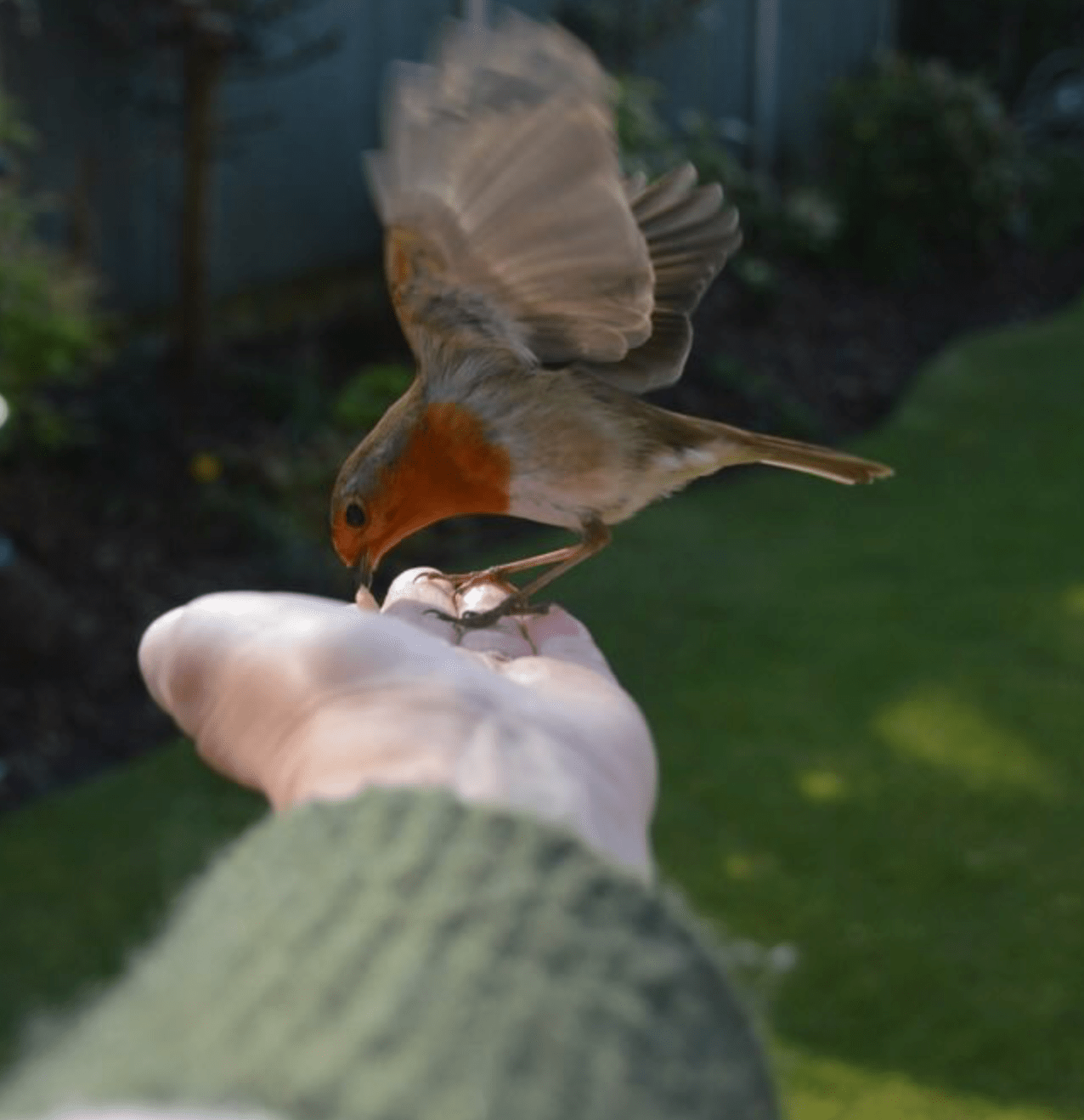
We've been seeing the same thing at home. Juvenile birds that would normally be ranging further afield are sticking closer to reliable feeding stations. Adult birds that have finished breeding and are now moulting, which is energetically expensive, are coming to feeders more consistently because they need the protein. There are good numbers of young blue tits, great tits and sparrows around, and the robins are as territorial as ever over their patch of the feeding station. One of our customers mentioned recently that their garden is "packed with birds grateful for the food" compared to the silent gardens around them, and that's not a coincidence. That garden has feeders that are stocked and maintained year-round.
It's also worth noting that August is normally one of the quieter months for garden bird activity. Breeding is largely done, the adults are moulting and tend to be more secretive, and natural food is usually still abundant enough that feeders take a back seat. The fact that feeders are busier than usual right now tells you something about what's happening to natural food availability in the surrounding landscape.
What's happening is straightforward. When natural food sources become harder to access or less abundant, birds concentrate around the resources that are still available. Garden feeders, kept clean and consistently stocked, become genuinely important in a way that goes beyond the usual "it's nice to feed the birds" reasoning. They become a safety net.
The nuance: it's not all one-way
It would be dishonest to pretend drought is uniformly bad for all wildlife. Some species do well in warm, dry conditions, at least in the short term. Butterflies and bees that need sunshine to fly can be more visible and more active during a dry spell, even if the conditions for their larvae and next generation are worsening. Grasshoppers and crickets thrive in the warmth. Dragonflies are everywhere around the remaining damp patches.
There's also a concentration effect. As ponds shrink and streams reduce to pools, the fish and invertebrates in them become easier prey for herons, kingfishers and other waterbirds. That's not an increase in food. It's the same amount of food (or less) in a smaller space, which makes it temporarily easier to catch. But once the pool dries completely, the resource is gone.
And some of the changes we're seeing are part of broader shifts that have been happening for years. Species like the wasp spider, once just found on the south coast, are spreading further north as summers get warmer. Noctule bats are active for longer. Some migrant birds are adjusting their timing. These are adaptations, not signs that everything is fine, but they are reminders that nature does respond and adjust.
What concerns us most: the autumn and winter ahead
The bigger worry isn't necessarily what's happening right now. It's what happens next.
If drought-stressed plants produce fewer berries, nuts and seeds this autumn, the birds heading into winter will have less natural food available. Fieldfares and redwings arriving from Scandinavia in October and November depend on a good berry crop. Resident thrushes, finches and tits rely on seeds and fruits to build fat reserves. If the hedgerows and trees underperform, the pressure on garden feeders will increase further.
There's also the breeding question. By early August, most birds have finished nesting, so the current drought hasn't wiped out the entire 2026 breeding season. But it has almost certainly affected late broods and second clutches. Young birds that fledged into a drought are less experienced foragers than adults, and they have smaller fat reserves. If they can't find enough food through the summer moult and into autumn, their survival rates drop. The Government's own drought prospects assessment warned that any impacts on breeding species will be felt in the population for years, because it reduces the number of individuals that go on to reproduce.
There's also a timing problem that gets less attention than it deserves. The very warm spring meant that some insects and caterpillars emerged unusually early this year. Birds whose egg-laying dates didn't shift by the same amount may have missed the peak supply of food for their chicks. This mismatch between when birds need food most and when food is most available is a known issue. Long-running UK research has found that climate change is advancing seasonal events in both birds and insects, but not uniformly across species. The gap between them can be the difference between a good breeding season and a poor one.
One drought can be followed by recovery. The problem is that England has now experienced drought in three of the five years since 2022. That doesn't give populations enough time to bounce back between events. This is the pattern that matters, not any single summer.
Why consistent feeding matters more than ever this year
Earlier this spring, the guidance around garden bird feeding shifted. The advice was to pause putting out seeds and peanuts between May and October, primarily because of concerns about trichomonosis, a disease that has caused serious declines in greenfinch populations.
The science behind the disease concern is legitimate. Trichomonosis spreads more readily on flat surfaces in warmer months, and bird tables, trays and baths are the main transmission points. That's a real issue and hygiene matters enormously.
But the timing of the advice has landed in an awkward place. We were told to reduce what we offer garden birds during the summer months, and then the country entered a significant drought in which natural food sources have become harder for birds to find. The soil is too hard to dig. The shallow-rooted plants have died. The insect populations that depend on those plants are under pressure. And on top of all that, we're on track for what could be a lean autumn berry and seed crop because the plants that produce them were stressed during the critical growing period.
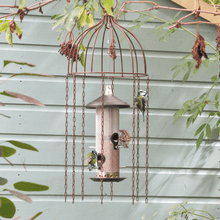
It's worth saying clearly: keeping feeders clean (read more about how to clean your feeders here), using good-quality hanging feeders rather than flat trays, and putting out appropriate food in the right quantities are all things that matter. Disease transmission is a real risk, and nobody should be ignoring that. But removing food from gardens at a time when birds are demonstrably visiting feeders more frequently, and when natural alternatives are harder to come by, is a conversation worth having honestly.
What we know for certain is that the birds visiting our feeders now are doing so because they need to. They're there because the usual options in the wider environment are under strain, and a clean, well-maintained feeder stocked with the right food is doing exactly what it should: filling a gap.
What you can do right now
The practical steps are straightforward and make a real difference.
Keep your feeders stocked consistently. If birds have come to rely on your garden as a food source, maintaining that reliability through the rest of the summer and into autumn matters. If you stop suddenly, they have to spend energy finding alternatives at a time when energy is already at a premium.
Put water out every single day. This is arguably the most important thing anyone can do during a drought. A shallow dish of clean water, refreshed daily, provides birds with both drinking water and a chance to bathe, which is essential for feather maintenance. If you have a deeper bird bath, adding a few stones or pebbles so smaller birds can stand safely will make it accessible to more species.
Clean your feeders regularly. Every week is a sensible rhythm in warm weather. A mild detergent and a rinse is all it takes. This is the single most effective thing you can do to reduce disease risk, and it takes five minutes. Using a feeder that's easy to clean makes the job feel less of a burden.
And if you can, leave a slightly wild patch in the garden. Nettles, thistles, and plants that have been allowed to set seed provide food for finches and cover for invertebrates. Our thistle is still going strong, the goldfinches love it, and it cost us absolutely nothing.
Looking for the good in all of this
It's worth ending on what's positive, because there genuinely is good news out there.
The nightingale, one of the UK's most iconic songbirds, is making a comeback on nature reserves in Suffolk and Kent thanks to targeted habitat management. The number of singing males on reserves has risen significantly over the past few years. That's direct evidence that when we manage land well for wildlife, populations respond.
The birds coming to your feeders this summer are adapting. They're resourceful, they're persistent, and they are very much still here. What matters now is that we keep showing up for them, especially through a summer like this one. Clean feeders, fresh water, consistent food, and paying attention to what they actually need through each season.
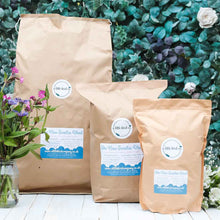
That's what seasonal feeding is. Not a gimmick, not a marketing angle. It's feeding birds properly, in a way that reflects what's happening in the natural world around them. And right now, what's happening in the natural world is making our gardens more important than ever. You can try a bag of our bird food here: A Little Bird Co. Seasonal Bird Food.
At A Little Bird Co., our seasonal bird food subscription adjusts through the year to give birds what they need as conditions change. If you'd like to know more, you can read about out bird food here.