5 things you might not know about the goldcrest


3 min read

Goldcrest, Britain's smallest garden bird

The goldcrest is the smallest bird in Britain, and one of the toughest. It is easy to overlook, but once you know what it does to survive, you will want to spot one. Here are five things about it.

1. It weighs about as much as a 20p coin

A goldcrest is 8.5 to 9.5 centimetres long and weighs just 4.5 to 7 grams, which makes it the smallest bird in Europe. Its eggs weigh about 0.8 grams each, and only about 5% of that is shell.

2. Most live for under a year

More than 80% of adult goldcrests die every year, which gives them a life expectancy of around eight months, among the shortest of any bird. The oldest recorded goldcrest reached four years and ten months.

3. They huddle to survive the night

On an eighteen-hour winter night at temperatures as low as minus 25 degrees, a goldcrest can burn fat equal to 20% of its body weight. Two birds roosting together cut heat loss by a quarter, and three by a third. In one Finnish study only a tenth of the wintering population survived to spring.

4. They cross the North Sea on their own

The story that goldcrests hitch a ride on the backs of owls or woodcock is a legend with nothing to support it. They can fly 250 to 800 kilometres in a day, and exhausted migrants sometimes land on ships, and even on people, searching their clothes for food. About 15,000 landed on the Isle of May in October 1982.

5. They lay up to eleven eggs

A clutch is typically nine to eleven eggs, kept at 36.5 degrees by the female for 16 to 19 days. Second clutches are common, which is how a bird with such a short life keeps its numbers up. After one mild winter in 1970 to 1971, the population in lowland Britain rose by 48%.

A little goldcrest folklore

The goldcrest's scientific name, Regulus, comes from the Latin for little king, and is often translated as petty king. Aristotle and Pliny both told the story of a contest to see which bird could fly highest. The eagle won, until a tiny bird hiding in its tail feathers flew a little higher. The story was probably passed on to the wren later, but it may have begun with the goldcrest and its fiery crown.

What goldcrests like to eat, and where

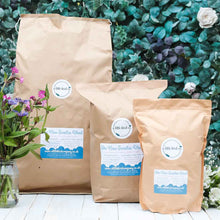
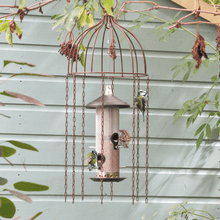
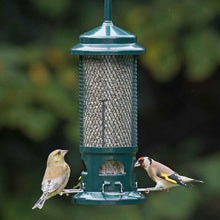
Goldcrests feed on tiny insects and spiders, which they pick from conifer needles, but wintering birds visit feeders for fat. They will take the suet pellets in our seasonal bird food, so offer it in a Little Lantern seed feeder close to a conifer or an evergreen hedge, where they feel safe. A conifer is also the best thing you can plant for them. If you are not sure which feeder suits your garden, our feeding quiz will point you in the right direction.

Want to keep track of the goldcrests in your garden? Amidst the Birdsong: A Garden Birdwatcher's Journal is made for exactly that.

Want to read about more garden birds? See all the birds in this series.

Clare Cahill

Thank you for reading!

Clare Cahill is a bird enthusiast with a passion for observing and learning. While she definitely doesn’t have a formal degree in ornithology, Clare has dedicated hours to reading birding books and exploring nature, constantly expanding her knowledge and deepening her love for wildlife.

For Clare, birdwatching brings a sense of calm and connection to the world, offering a peaceful escape from the hustle and bustle of everyday life. She believes that the more we connect with nature, the more we can do to protect and conserve it. Through her writing, Clare hopes to inspire others to take a moment to pause, look up, and appreciate the calm and connection that comes from letting a little wildness into our everyday lives.

The seasonal bird food brand

We're a little company, supporting little birds. Find out more about what sets us apart.

  • What to feed the birds in summer

    Seasonal

    Birds have different dietary needs throughout the year, from nesting to moulting and surviving colder months. To support these changes, we’ve created seasonal blends – order a Seasonal Bird Food bag, and we’ll adjust the blend to match the season, making it easy to do something great for the birds.

  • Child holding bag of seasonal A Little Bird Co. bird food.

    Sustainable

    Sustainability is at the heart of everything we do. We don't farm, process, and transport cheap filler ingredients that birds simply kick to the floor. Instead, we focus on premium ingredients they love. Our packaging is compostable, and our bird feeders and nest boxes are tested for durability and longevity.

  • Songbird

    We design our food and select our range of feeders with little birds in mind. Every ingredient in our blends is chosen because small birds love it, simplifying your bird feeding routine. Our feeders provide safe access to food while helping to keep out larger, more dominant species. Look out for robins, blue tits, wrens, finches and more visiting your garden for our food.

  • Support

    With birds in your garden, you’re never alone - they’re the friends who always visit. Feeding them supports wildlife conservation while bringing joy and calm. Whether spotting a new species or simply watching their daily routines, just ten minutes a day strengthens your connection with nature and boosts your wellbeing.

1 of 4

When life feels busy, the birds keep it simple.

There’s something lovely about how feeding the birds becomes part of the rhythm of your day. A scoop of seed, a clean dish of water - and then a pause, just to watch who turns up. It doesn’t have to take long, but those moments can be surprisingly grounding. A little burst of mindfulness, fresh air, a chance to notice your garden as it changes throughout the seasons, and the cheerful flutter of wings - it’s good for the soul.

Join our flock of bird enthusiasts who share a passion for sustainable and thoughtful bird feeding.

Shop our bestsellers

From our popular seasonal bird food to the Squirrel Buster squirrel resistant bird feeder, our range is designed to help you to create a haven for little birds in your garden.

1 of 5