5 things you might not know about the nuthatch


2 min read

Nuthatch, a UK garden bird that climbs down trees head first

The nuthatch is a neat blue-grey bird with a black eye stripe, and it does something no other British garden bird will do. Here are five things about it.

1. It walks down trees head first

Most birds that climb trees, such as the treecreeper and woodpeckers, only go up. A nuthatch can forage while heading down a trunk head first, which lets it find insects and seeds that others walk straight past.

2. It builds a mud door

If a nest hole is too big, the female plasters the entrance with mud, clay and sometimes dung to shrink it. She often plasters the inside too, and the job can take up to four weeks. A smaller entrance may help keep predators out.

3. It hides food year-round

Nuthatches hoard food, mostly in autumn, pushing seeds into cracks in bark and covering them with lichen or moss. The stores are sometimes eaten up to three months later, and Siberian birds may store enough stone pine seeds to last a whole year.

4. It hammers nuts open

A nuthatch wedges a nut into a crevice in the bark and smashes it open with its bill. Unlike a woodpecker, it cannot chisel into healthy wood, so it relies on finding ready-made holes and cracks.

5. It mates for life, mostly

Nuthatch pairs stay together, but a German genetic study found that at least 10% of young were fathered by a male from a neighbouring territory. A typical nuthatch lives about two years, though the oldest wild bird in the UK reached 12 years and 11 months.

A note on names

Nuthatch was first recorded in 1350 and is probably linked to nut and an old word related to hack, because the birds hack at nuts wedged into crevices. Its scientific name, Sitta europaea, comes from the Ancient Greek name for the bird. There is very little folklore about the nuthatch, so if you know any, I would love to hear it.

What nuthatches like to eat, and where

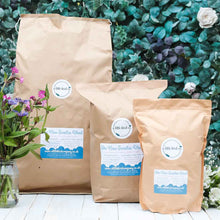
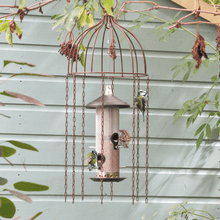
Nuthatches take a seed at a time and fly off to wedge it somewhere safe, so a feeder near a tree with rough bark suits them well. They enjoy the sunflower hearts, kibbled peanuts and suet pellets in our seasonal bird food. Offer it in a Little Lantern seed feeder and watch for the quick dash in and out. If you are not sure which feeder suits your garden, our feeding quiz will point you in the right direction.

Want to keep track of the nuthatches in your garden? Amidst the Birdsong: A Garden Birdwatcher's Journal is made for exactly that.

Want to read about more garden birds? See all the birds in this series.

Clare Cahill

Thank you for reading!

Clare Cahill is a bird enthusiast with a passion for observing and learning. While she definitely doesn’t have a formal degree in ornithology, Clare has dedicated hours to reading birding books and exploring nature, constantly expanding her knowledge and deepening her love for wildlife.

For Clare, birdwatching brings a sense of calm and connection to the world, offering a peaceful escape from the hustle and bustle of everyday life. She believes that the more we connect with nature, the more we can do to protect and conserve it. Through her writing, Clare hopes to inspire others to take a moment to pause, look up, and appreciate the calm and connection that comes from letting a little wildness into our everyday lives.

The seasonal bird food brand

We're a little company, supporting little birds. Find out more about what sets us apart.

  • What to feed the birds in summer

    Seasonal

    Birds have different dietary needs throughout the year, from nesting to moulting and surviving colder months. To support these changes, we’ve created seasonal blends – order a Seasonal Bird Food bag, and we’ll adjust the blend to match the season, making it easy to do something great for the birds.

  • Child holding bag of seasonal A Little Bird Co. bird food.

    Sustainable

    Sustainability is at the heart of everything we do. We don't farm, process, and transport cheap filler ingredients that birds simply kick to the floor. Instead, we focus on premium ingredients they love. Our packaging is compostable, and our bird feeders and nest boxes are tested for durability and longevity.

  • Songbird

    We design our food and select our range of feeders with little birds in mind. Every ingredient in our blends is chosen because small birds love it, simplifying your bird feeding routine. Our feeders provide safe access to food while helping to keep out larger, more dominant species. Look out for robins, blue tits, wrens, finches and more visiting your garden for our food.

  • Support

    With birds in your garden, you’re never alone - they’re the friends who always visit. Feeding them supports wildlife conservation while bringing joy and calm. Whether spotting a new species or simply watching their daily routines, just ten minutes a day strengthens your connection with nature and boosts your wellbeing.

1 of 4

When life feels busy, the birds keep it simple.

There’s something lovely about how feeding the birds becomes part of the rhythm of your day. A scoop of seed, a clean dish of water - and then a pause, just to watch who turns up. It doesn’t have to take long, but those moments can be surprisingly grounding. A little burst of mindfulness, fresh air, a chance to notice your garden as it changes throughout the seasons, and the cheerful flutter of wings - it’s good for the soul.

Join our flock of bird enthusiasts who share a passion for sustainable and thoughtful bird feeding.

Shop our bestsellers

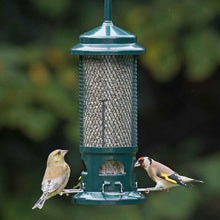
From our popular seasonal bird food to the Squirrel Buster squirrel resistant bird feeder, our range is designed to help you to create a haven for little birds in your garden.

1 of 5